01
Culture Left Prints
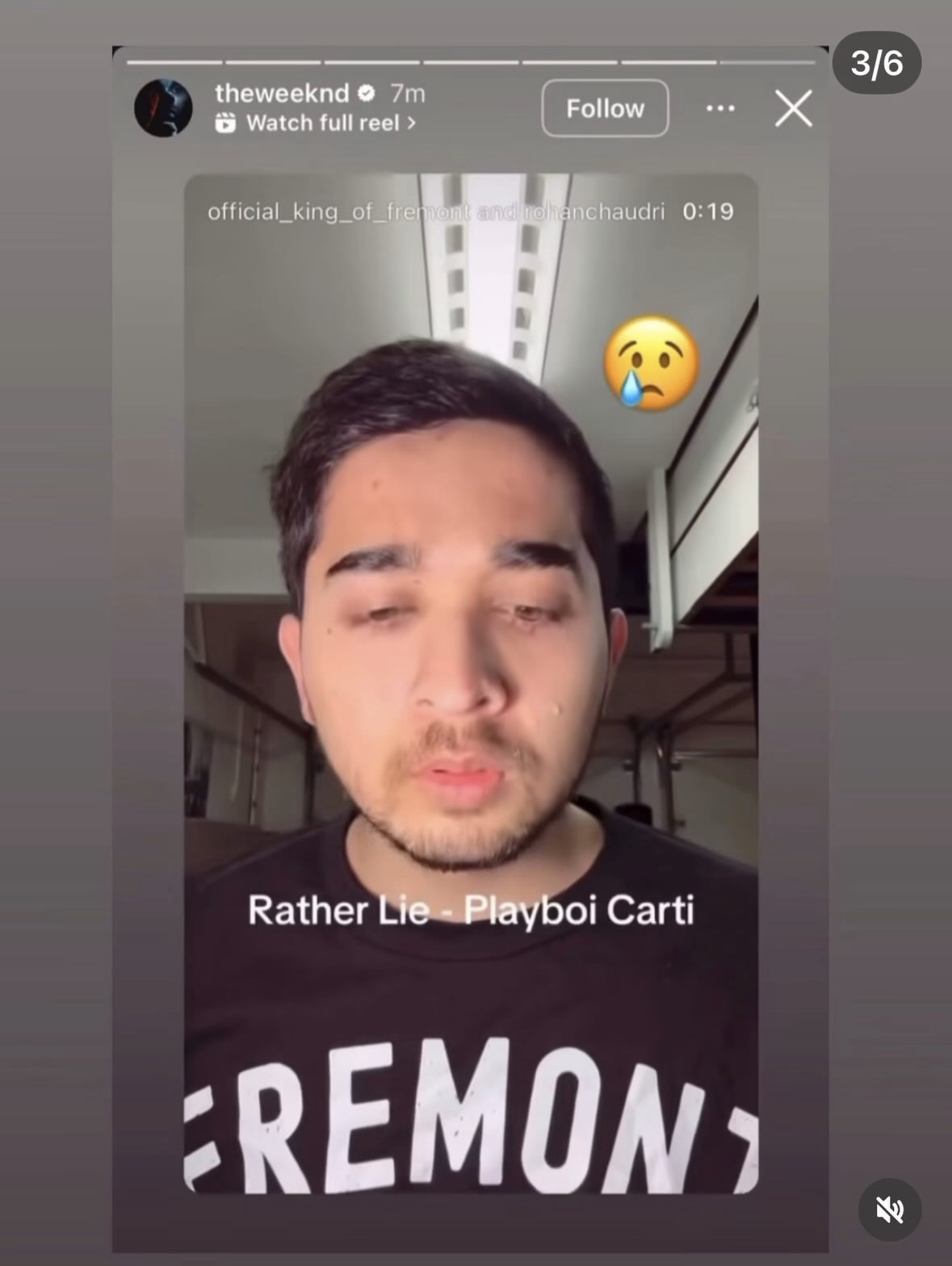
The Weeknd, SZA, Kid LAROI, NAV, Lil Yachty, Alamo / OVO, Rolling Loud, Rapmusic, Havoc. Screenshots, not vibes.
Fremont, CA — receipts over folklore
The ordinary paper trail misses the interesting part. Rohan Chaudri made himself hard to reduce: data scientist, rapper, builder, chess obsessive, science-fair engineer, lone operator. Then people with no reason to notice him noticed.
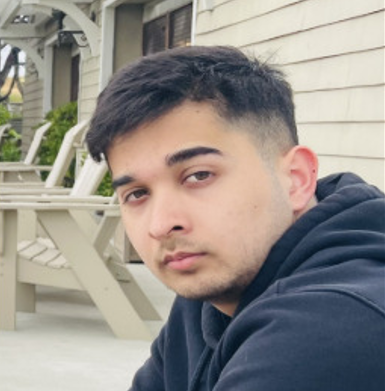
Machine mind. Artist nerve.
UC Berkeley · Georgia Tech MS CDS · AI/ML builder
Public Archive / File KOF-001
This is the clean index before the story gets strange: what happened, when it happened, and why the screenshots matter. The facts get pinned down before the images start moving.
The Weeknd, SZA, Kid LAROI, NAV, Lil Yachty, Alamo / OVO, Rolling Loud, Rapmusic, Havoc. Screenshots, not vibes.
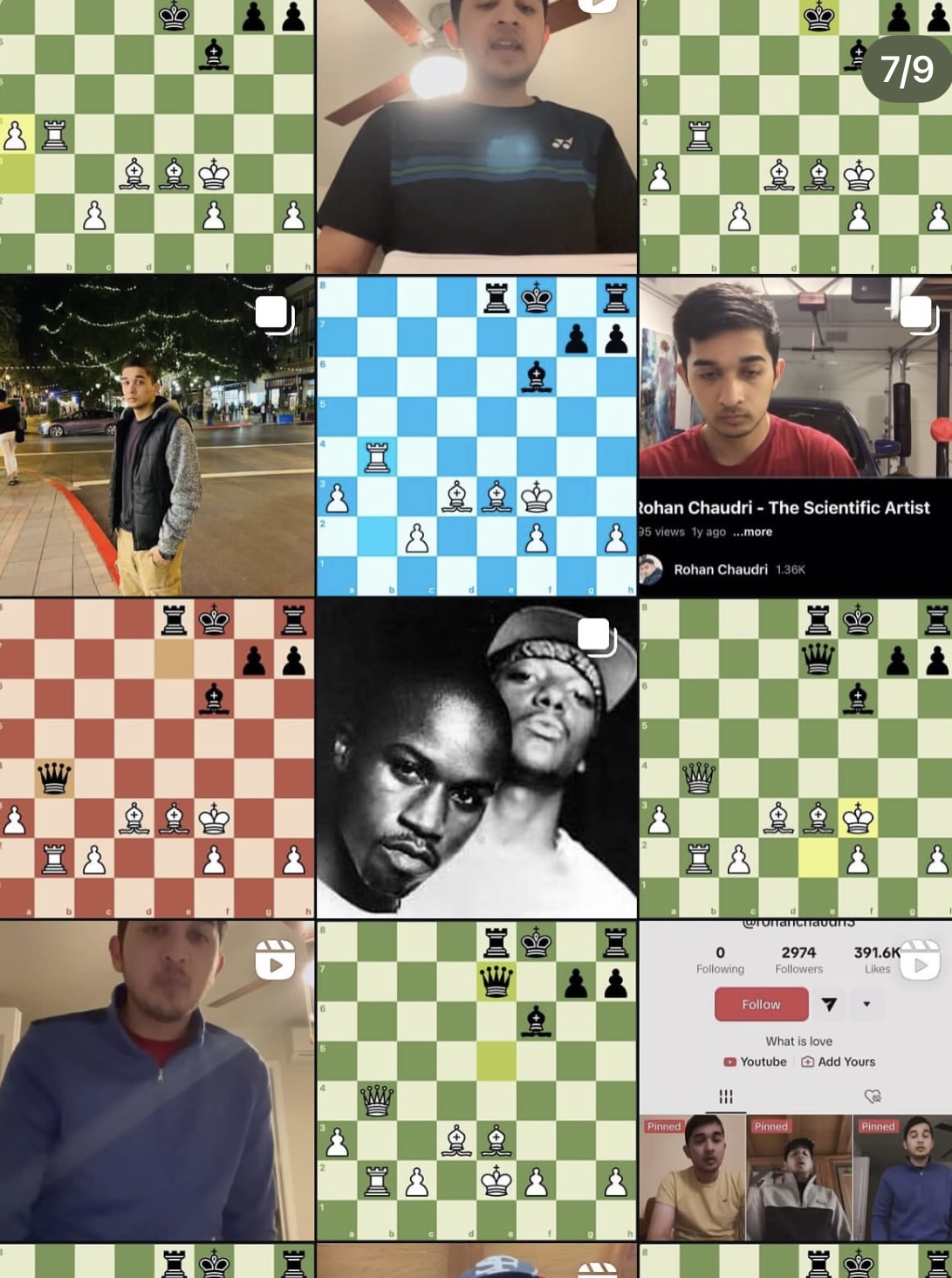
A checkerboard feed that also functions as a continuous chess game and a biography.
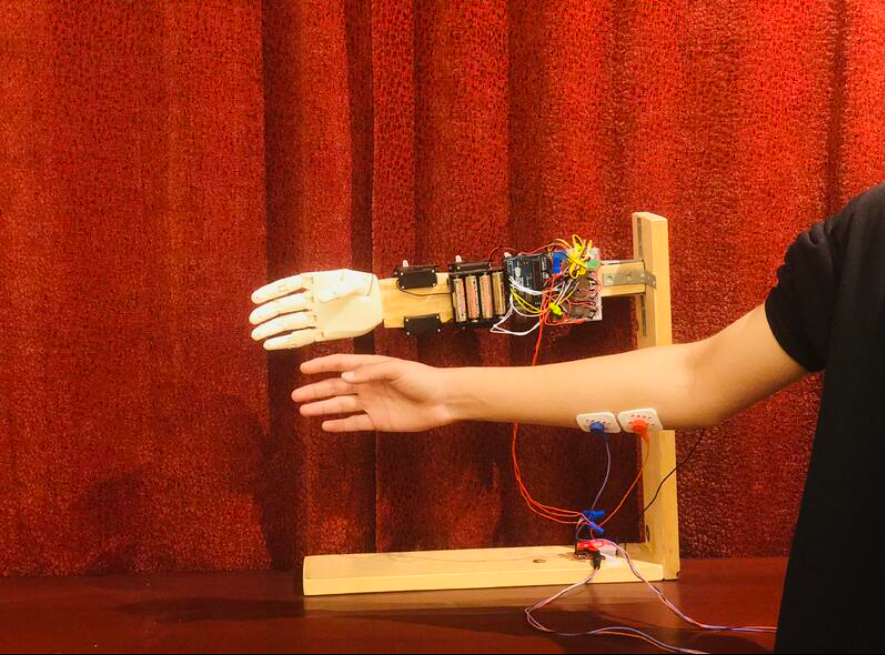
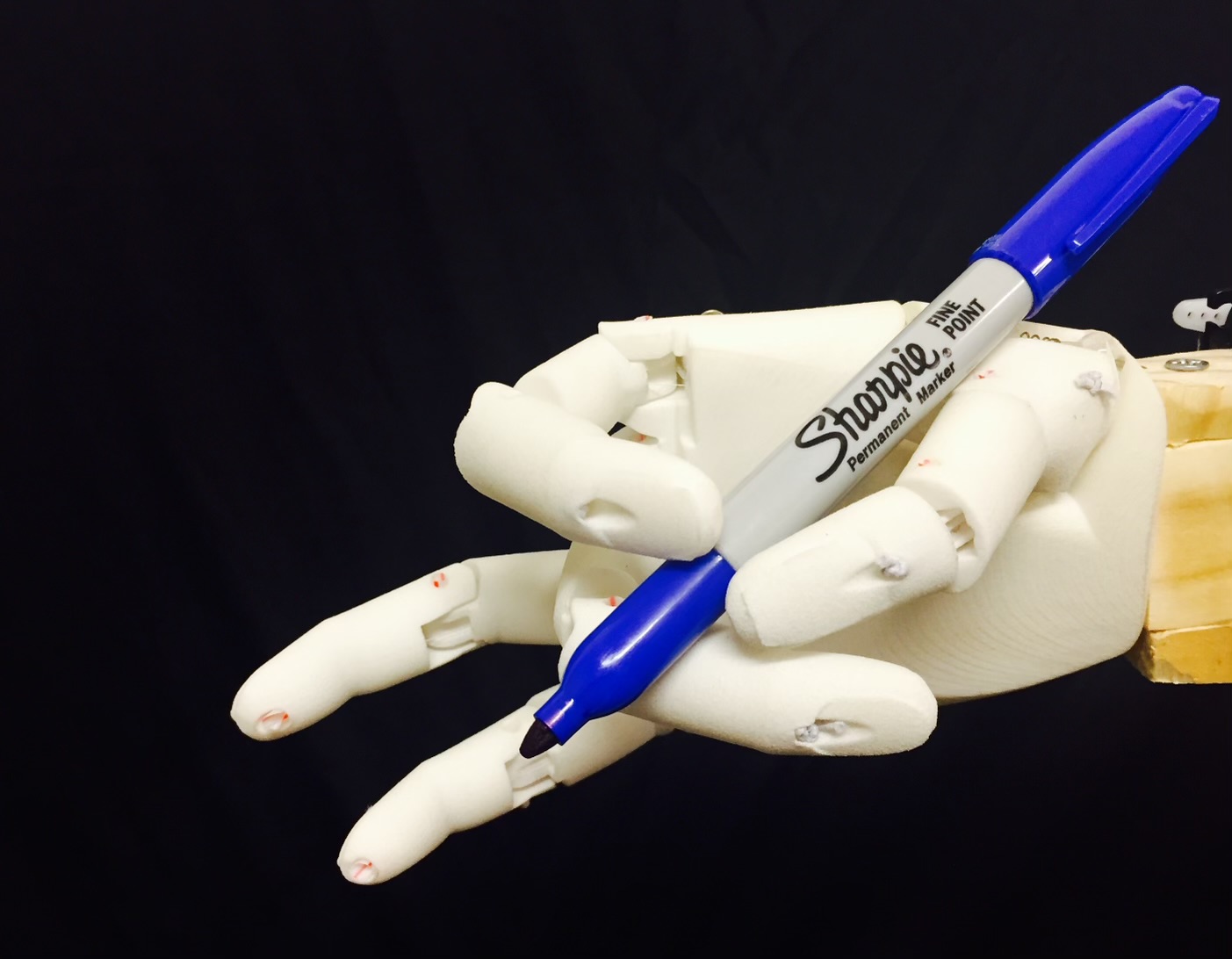
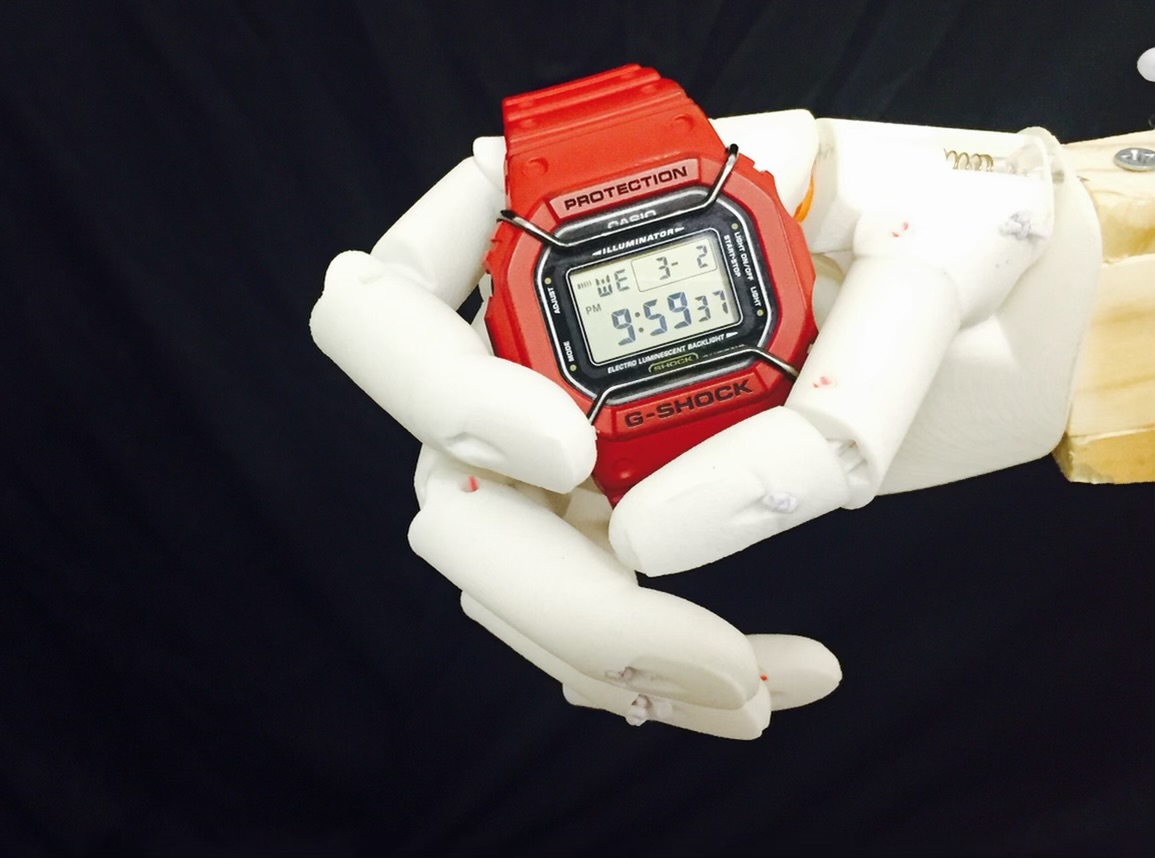
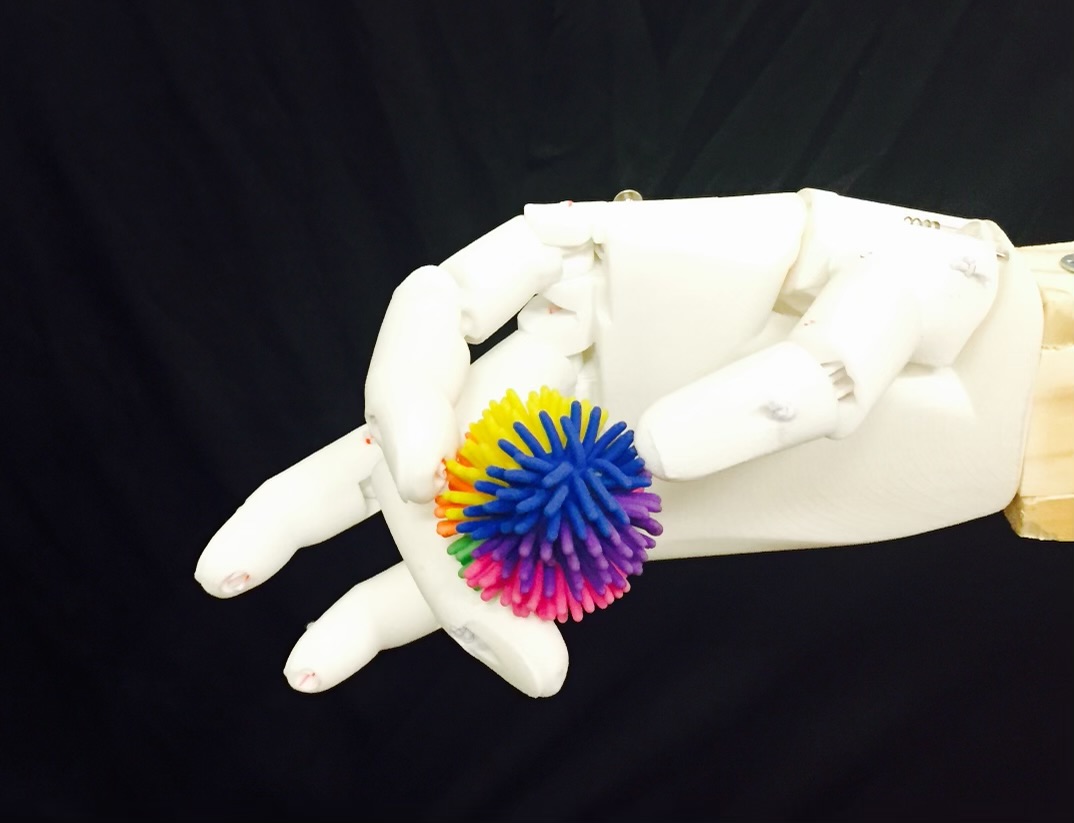
A myoelectric bionic hand: forearm signals, classification software, motors, strings, 3D print.
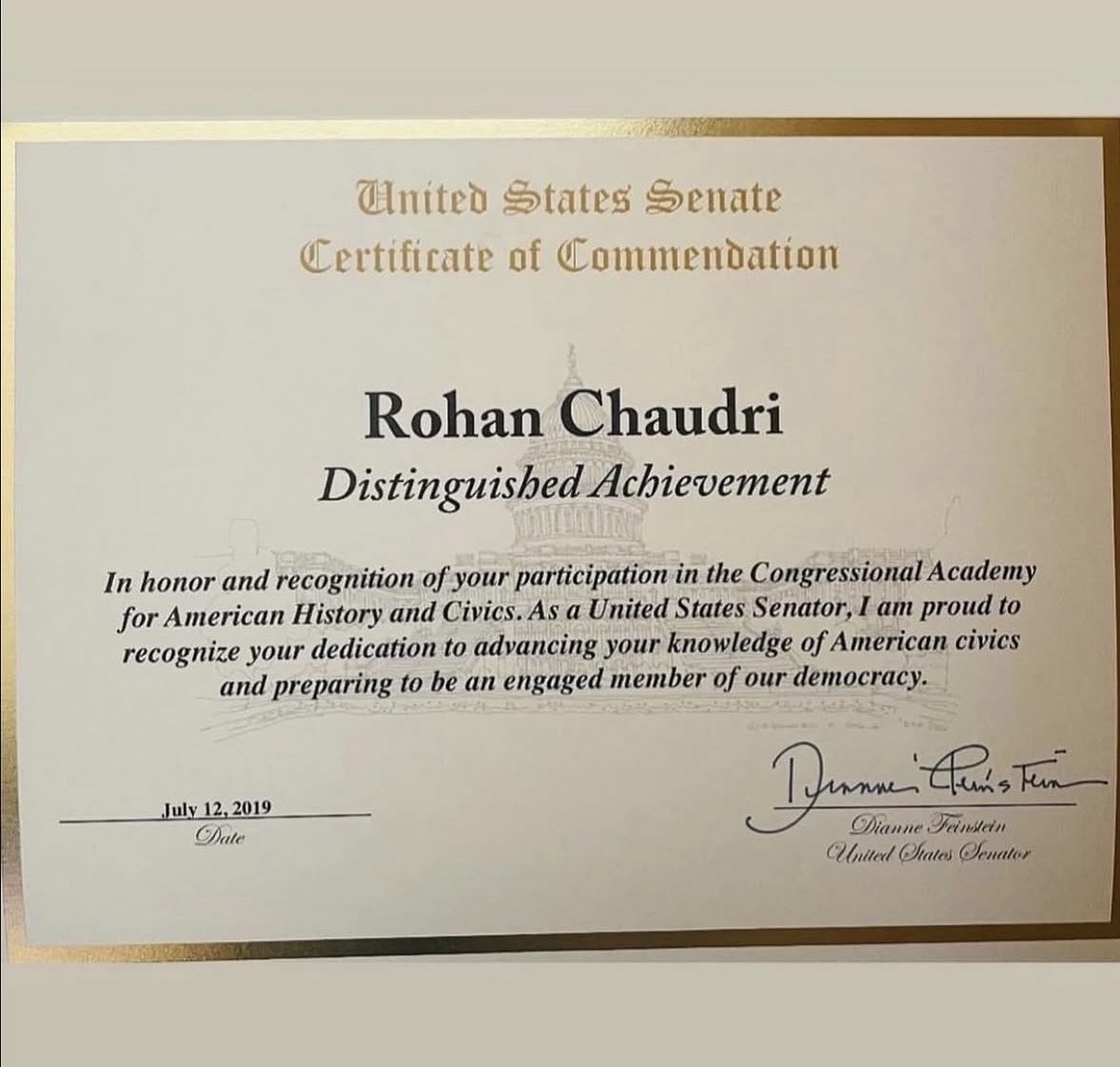
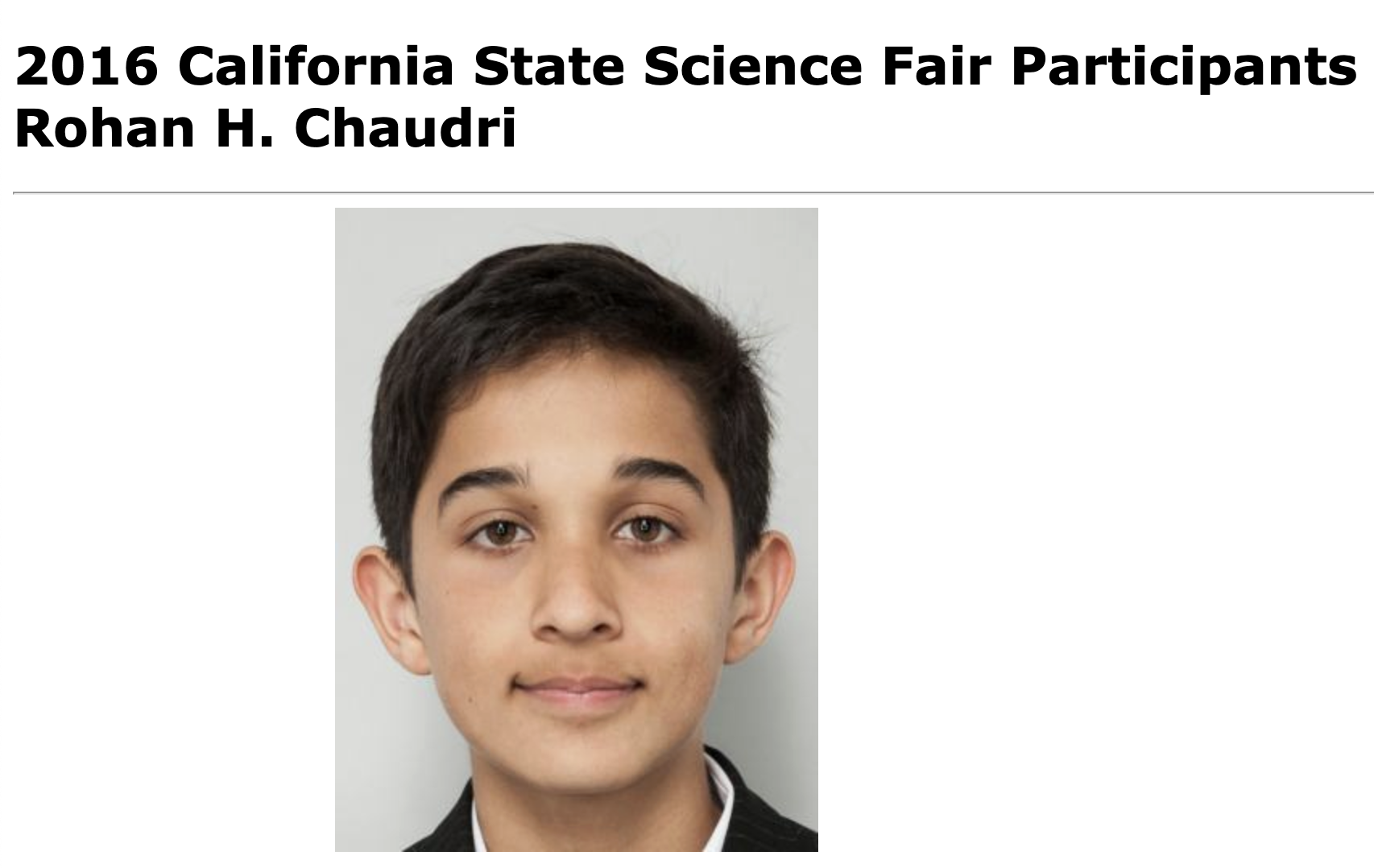
: U.S. Senate Certificate of Commendation signed by Senator Dianne Feinstein.
The Name
At 18, Rohan walked into the Berkeley chess park and introduced himself as the King of Fremont.
On paper, ridiculous. In practice, it named the mismatch: a kid from a suburban city thinking in systems, symbols, reputation, timing, and endgames while everyone else was posting normally.
The name was not subtle. That was the point. Subtle people disappear quietly.
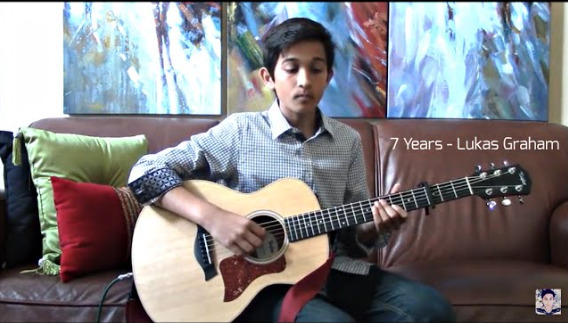
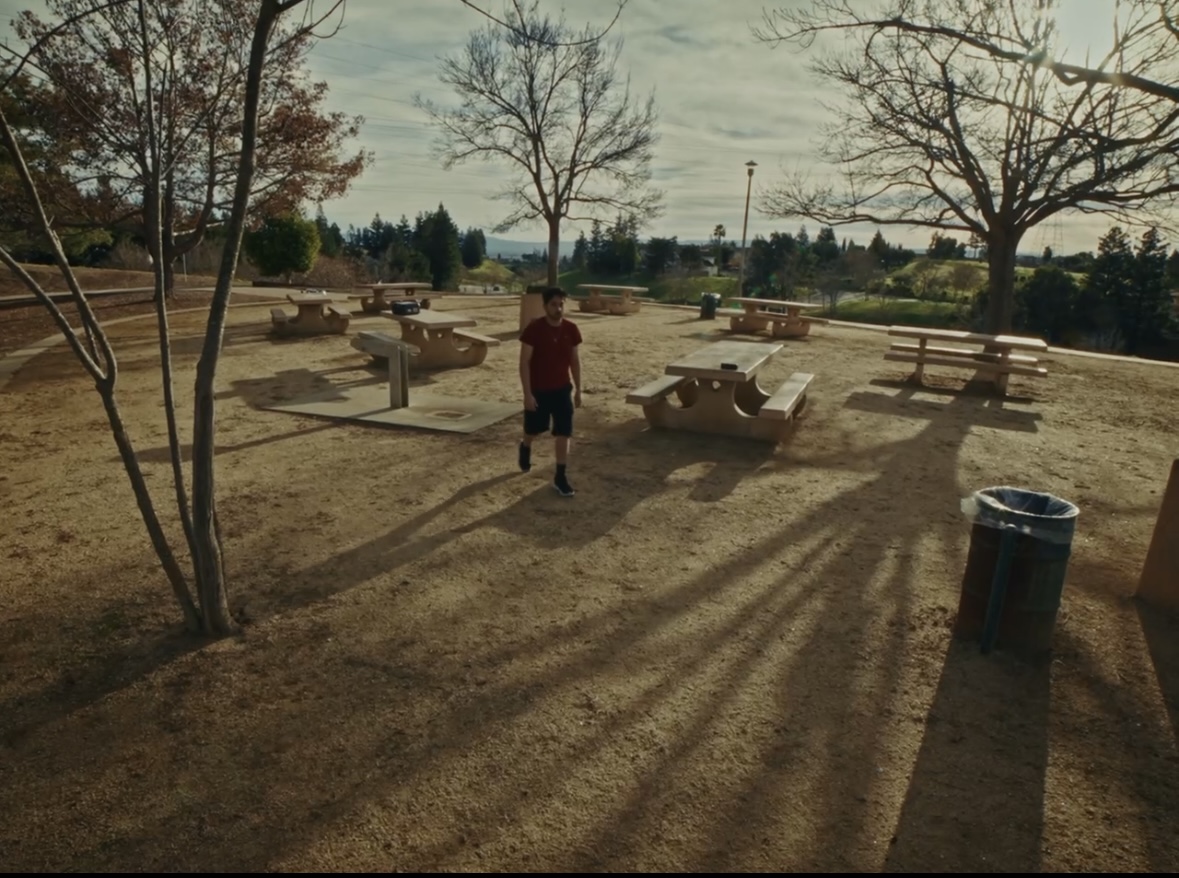
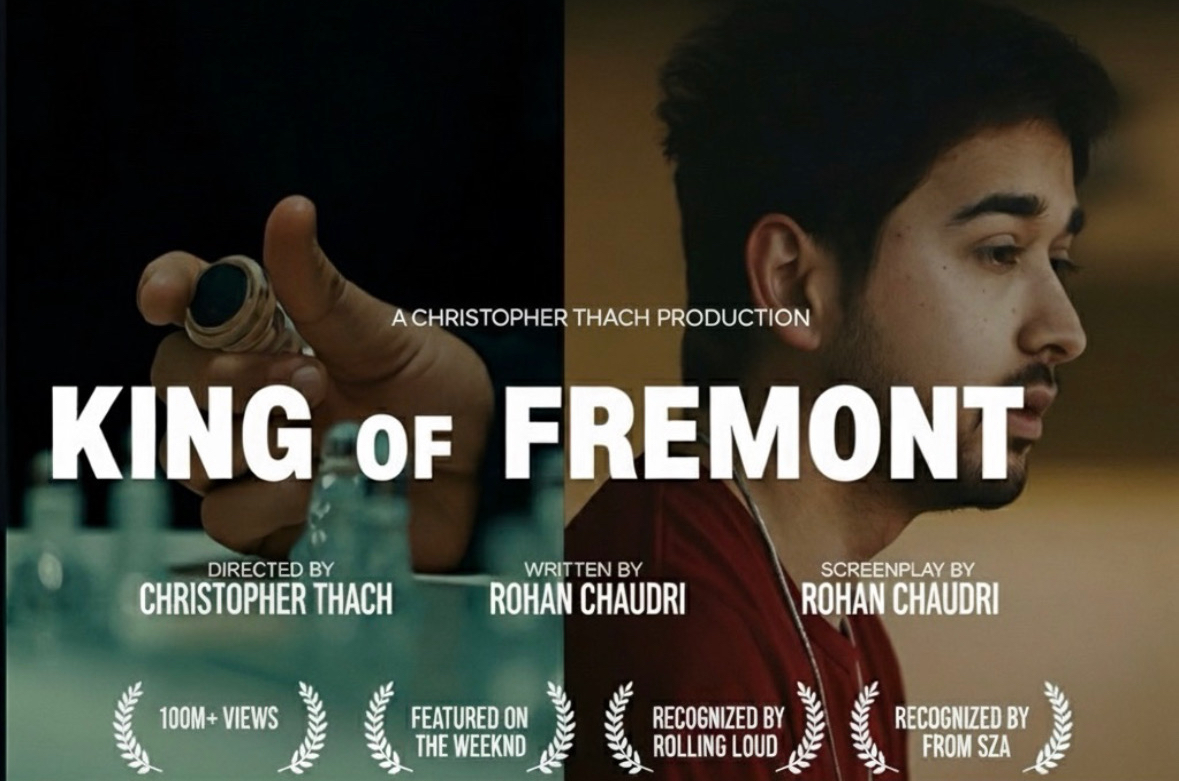
The Film
King of Fremont is the untold story of a mysterious solo artist from Fremont who quietly built one of the internet’s most staggering underground rises. With 100M+ views, viral reach, and real engagement from global superstars, this documentary unpacks how a quiet outsider turned heads at the top without industry backing, press, or explanation. Part myth, part truth, part breakdown, part breakthrough — this is the raw, unfiltered story of the popular loner who cracked the system while no one was looking.
Documentary
Christopher Thach noticed the trick that mattered: the Instagram grid was not just a feed. It was a machine.
The documentary stays with the uncomfortable fact: the work was public, the proof was public, and almost nobody knew how to read it.
Directed by Christopher Thach · Written by Rohan Chaudri · 2025
Audience Record
★★★★★“Like watching the Mona Lisa get painted.”
@thelifeofparm
★★★★★“I needed to see this.”
@cyphxro
★★★★★“The King of Fremont so motivational man.”
@m0ss__ie
The film goes quiet where the story gets stranger.

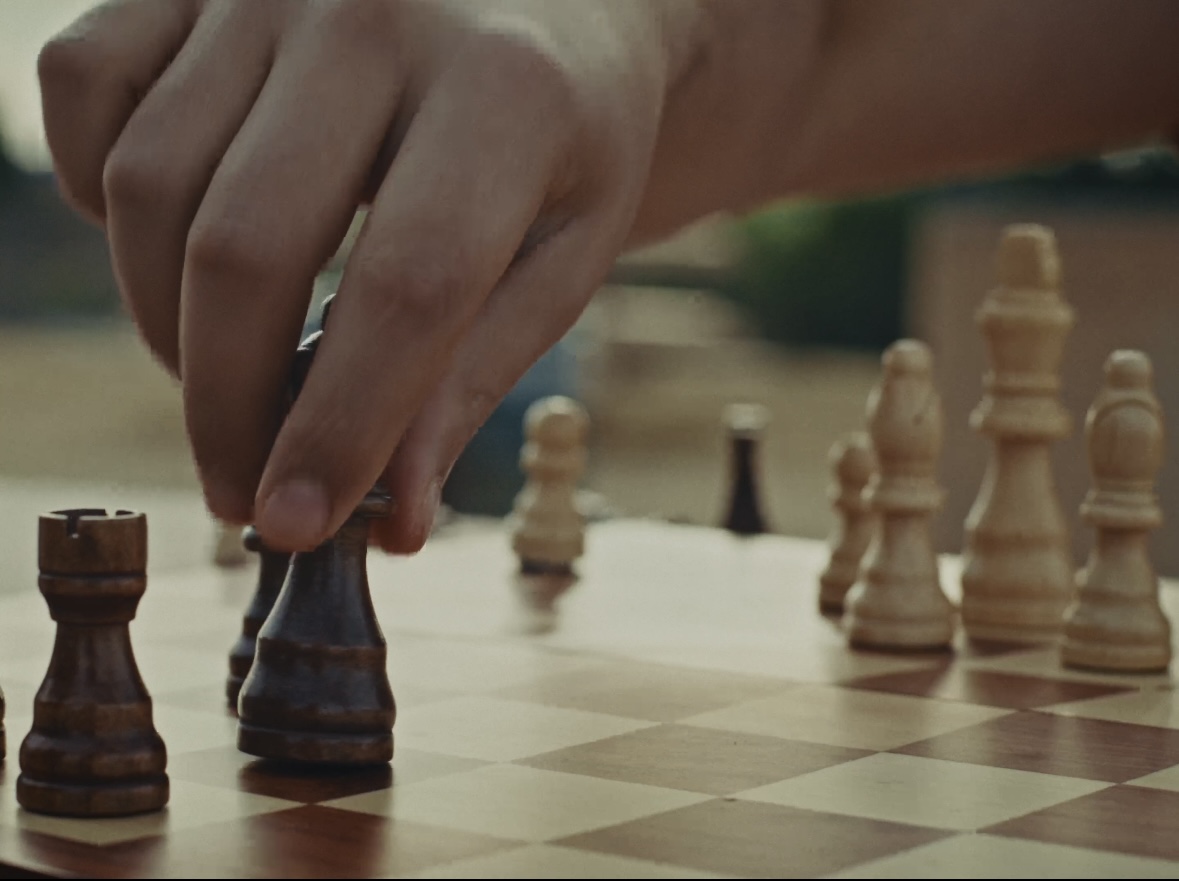
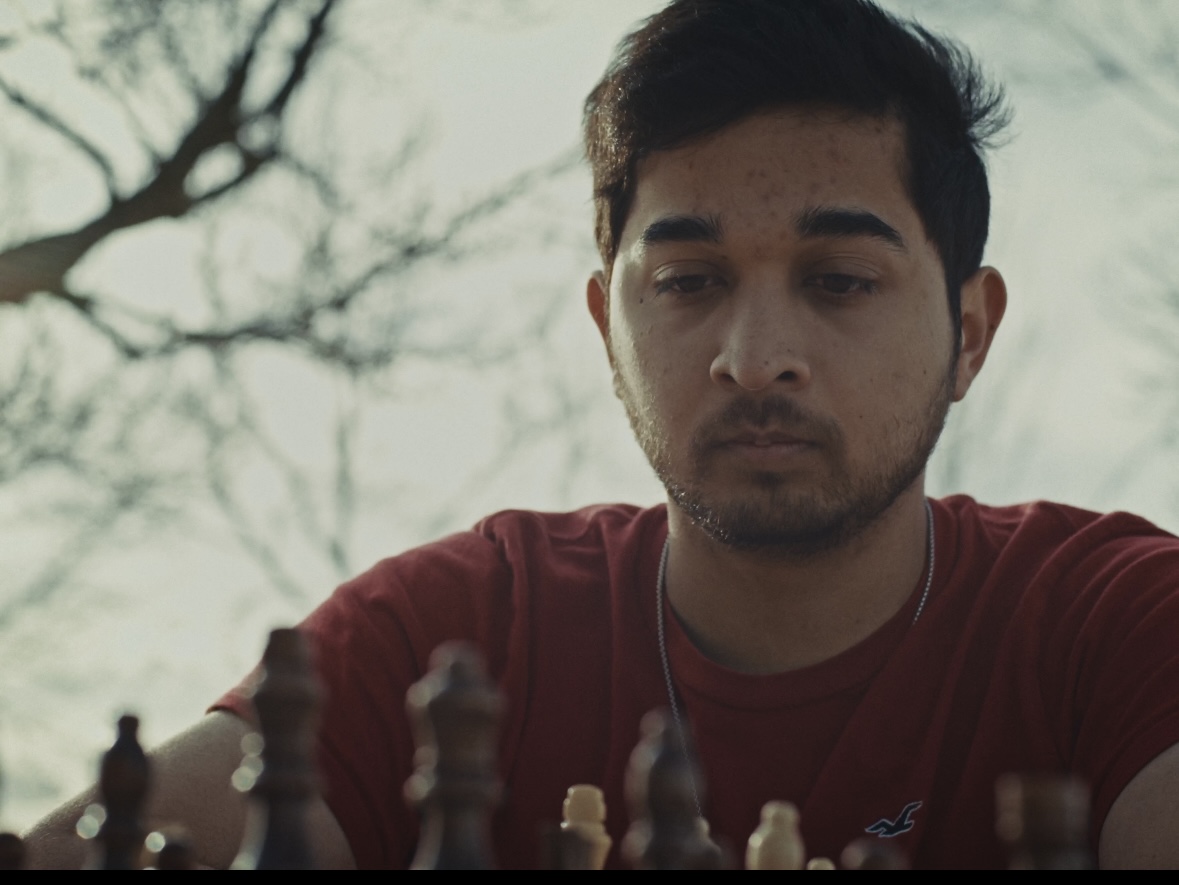
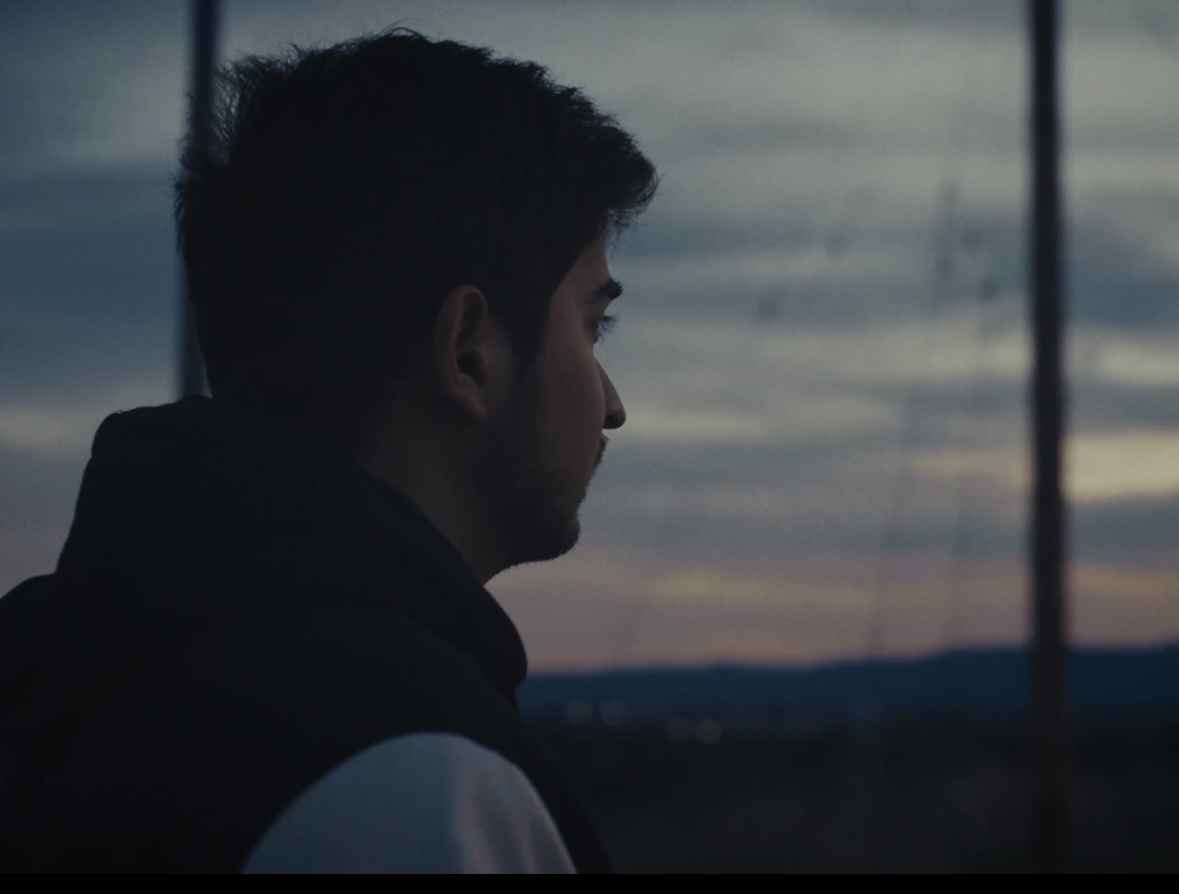
The Grid
Layer one: most people saw a neat Instagram layout.
Layer two: every chess post is a legal continuation of the same game.
Layer three: the non-chess squares are biography. Childhood, music, proof, isolation, claim.
Instagram moves the board every time a new post lands. He kept the structure coherent anyway. That is the part that changes the story: the feed was not decoration. It was control.
The moves belong to the same game. You can follow them.
Every new upload shifts the old grid. The board still survives.
The human story sits between the moves.
Receipts
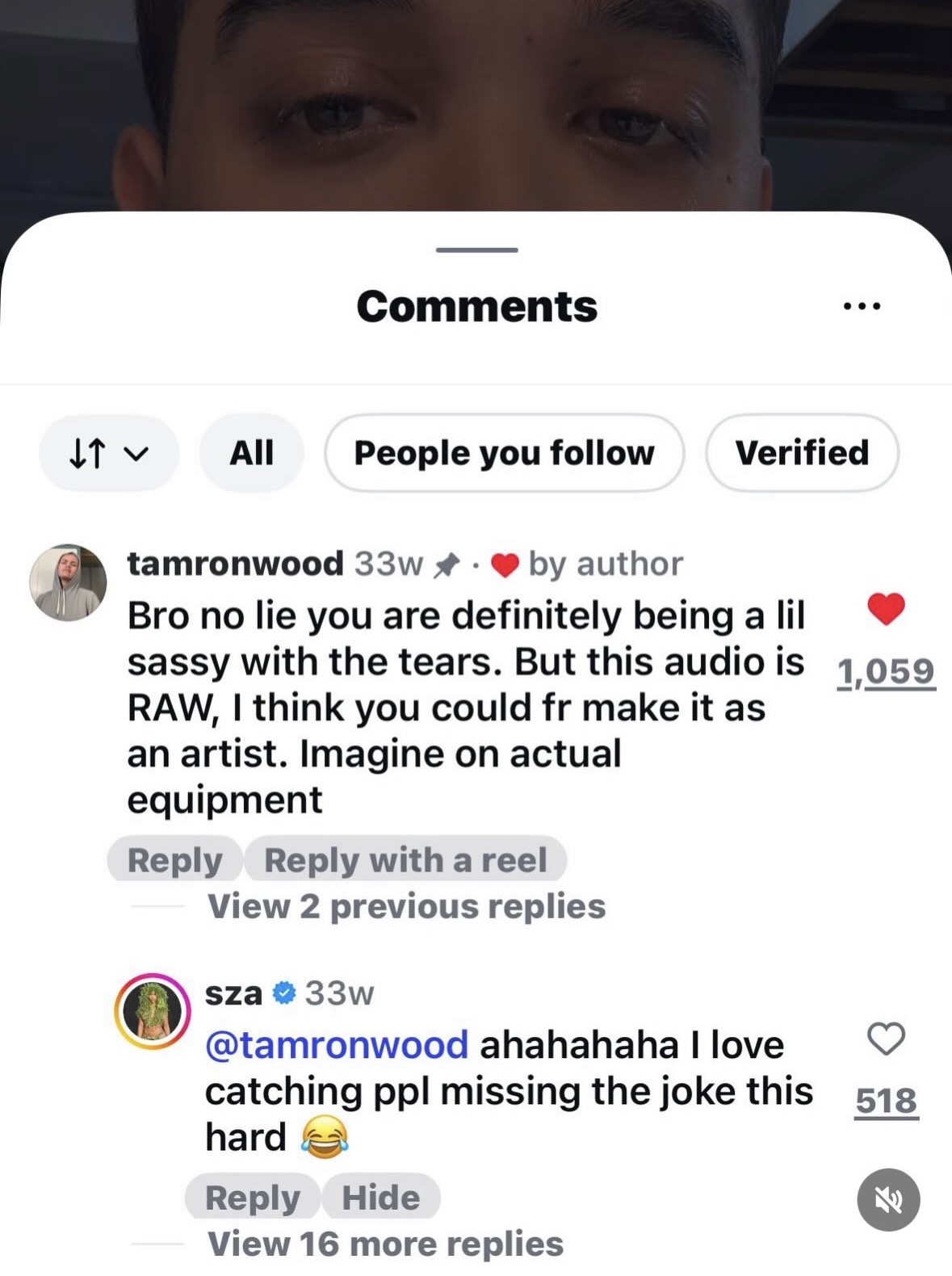
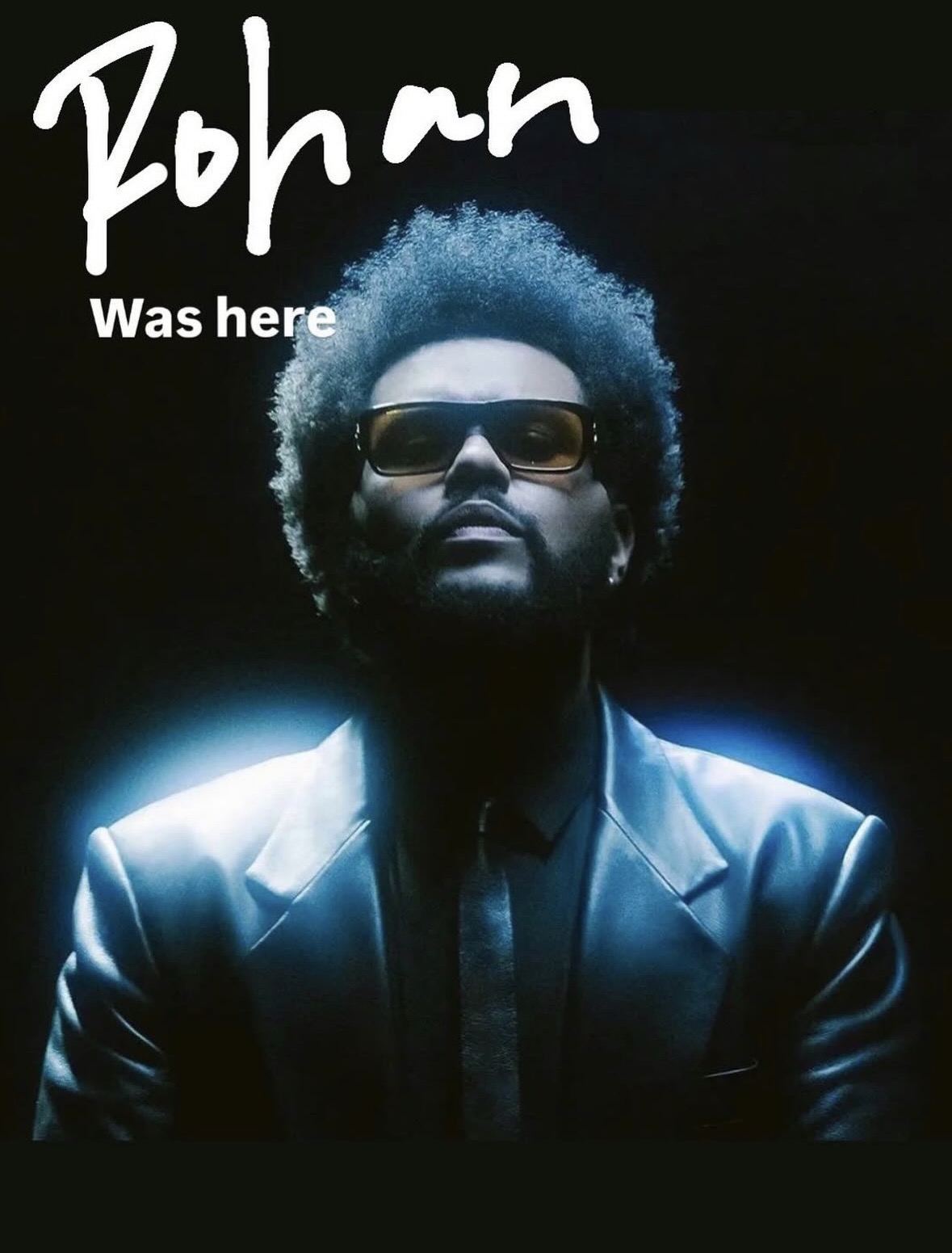
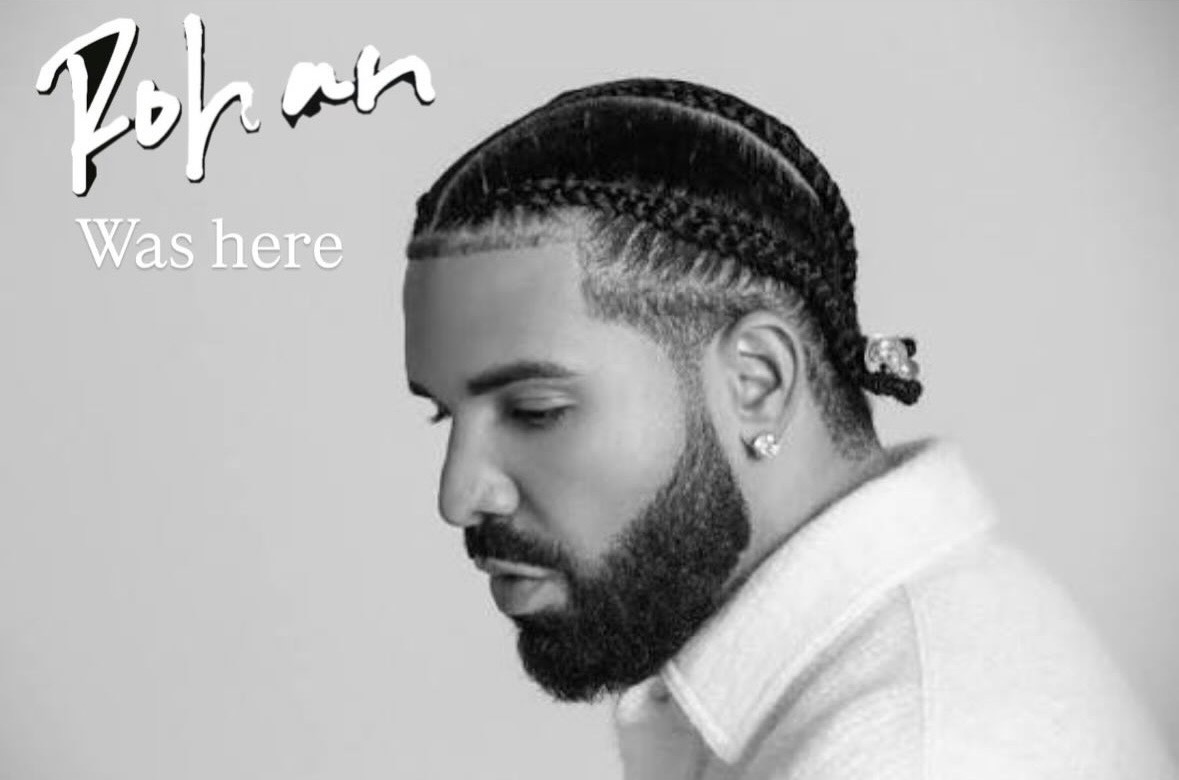
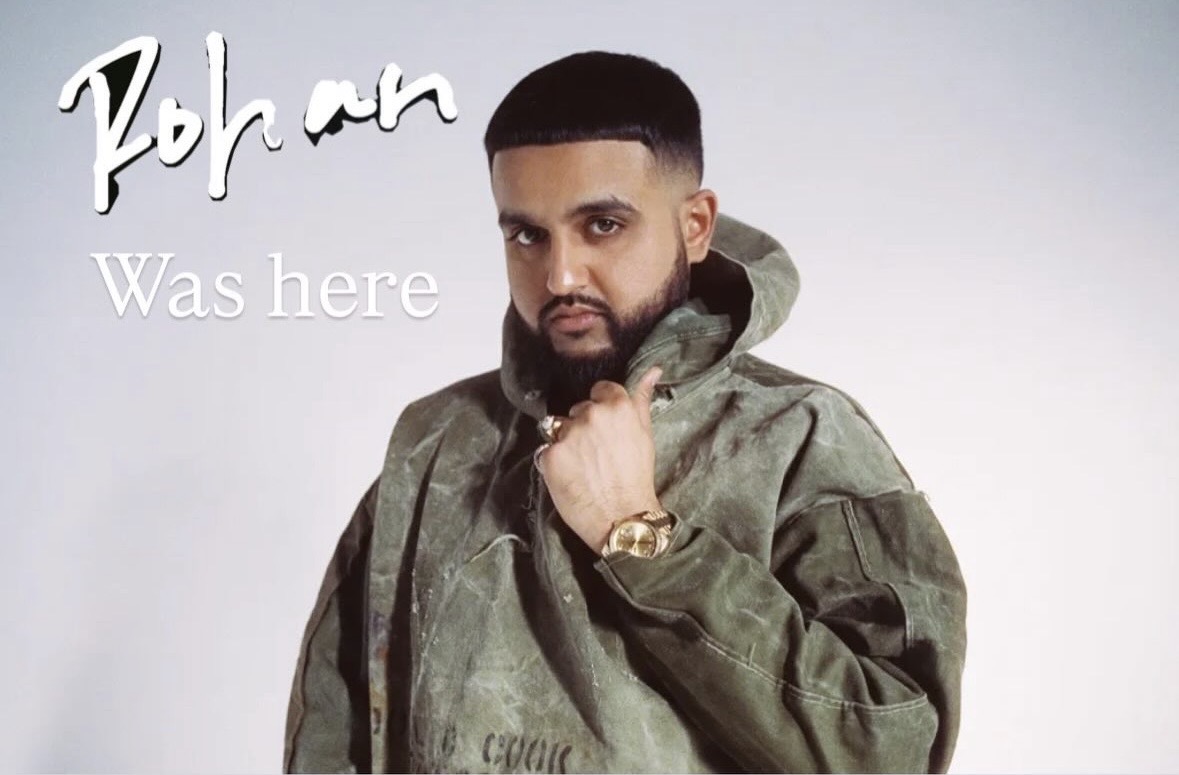
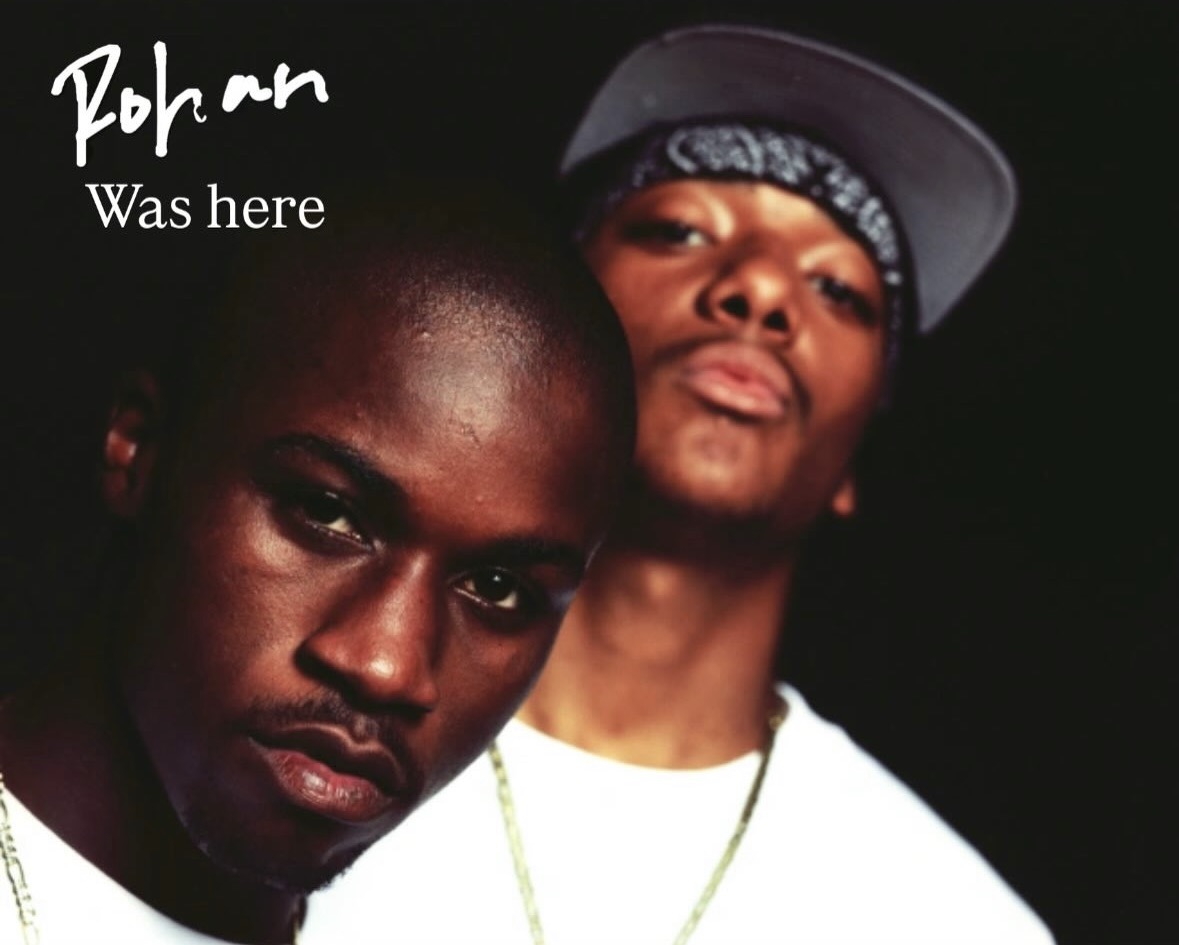
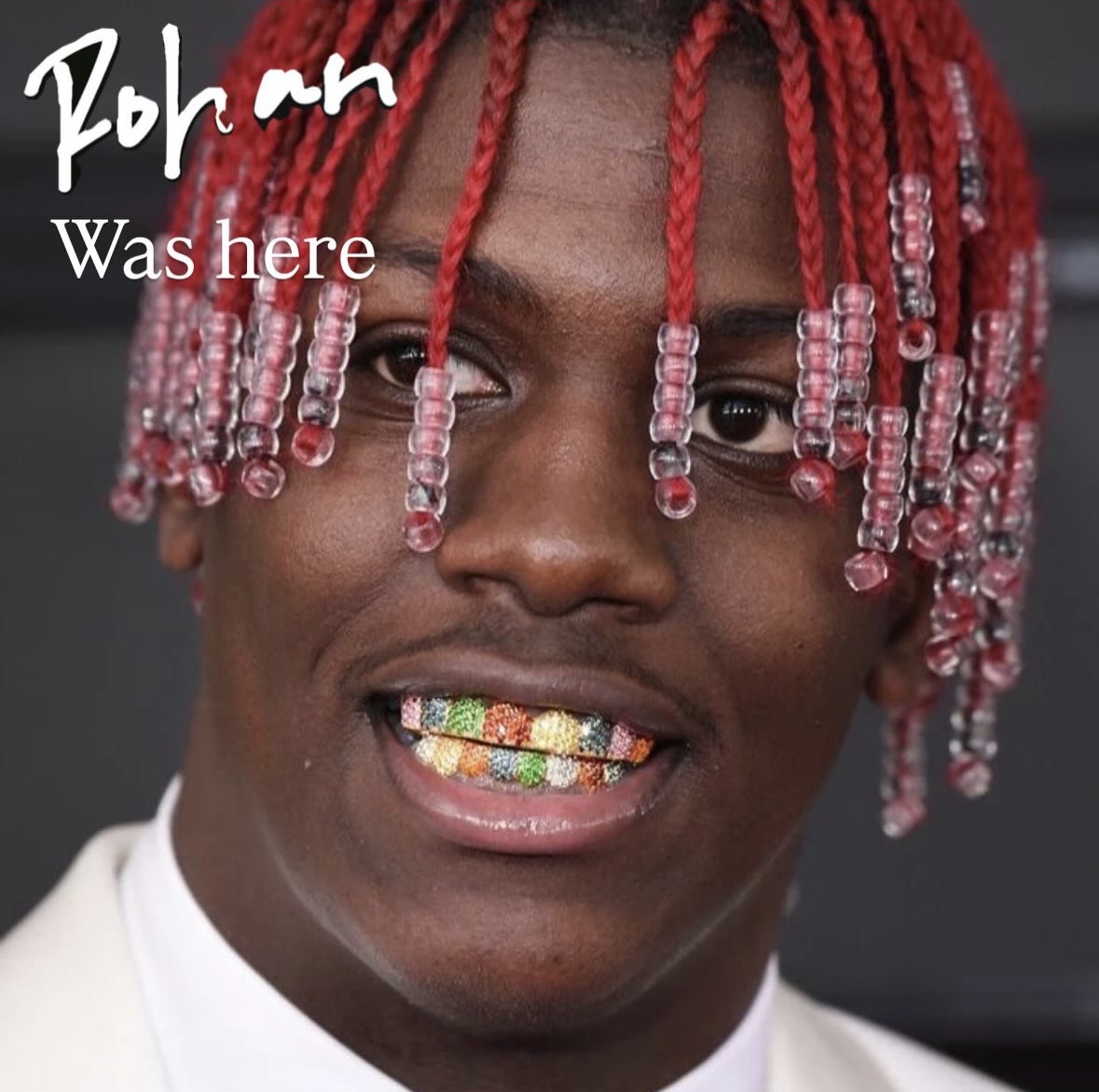
No label hand-delivered him. No glossy profile warmed the room. The screenshots are blunt: the work reached people it had no business reaching.
Not a vague co-sign. A story repost with the username sitting there in the frame.
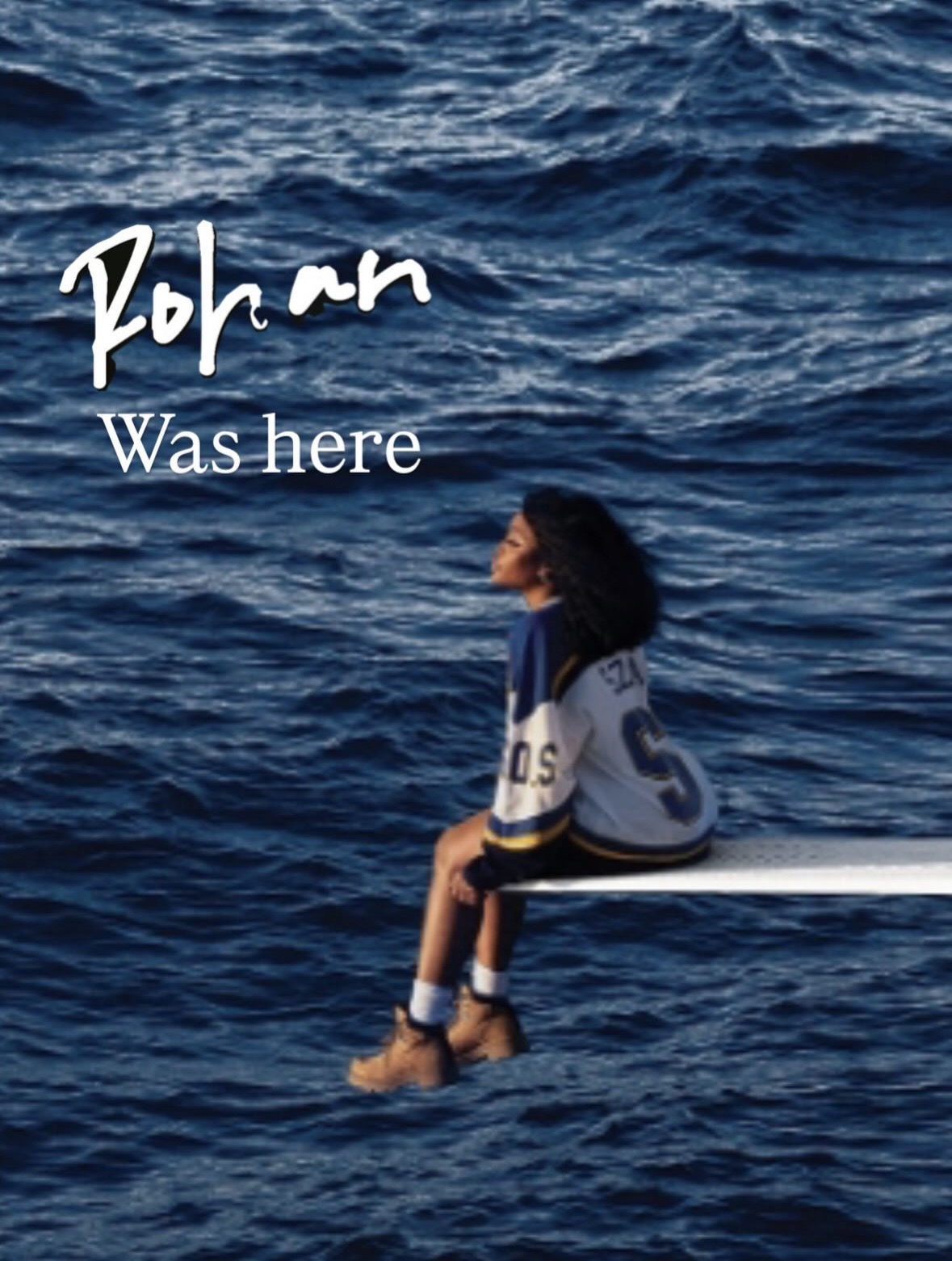
SZA did not float past it. She entered the thread, and the thread kept receipts.
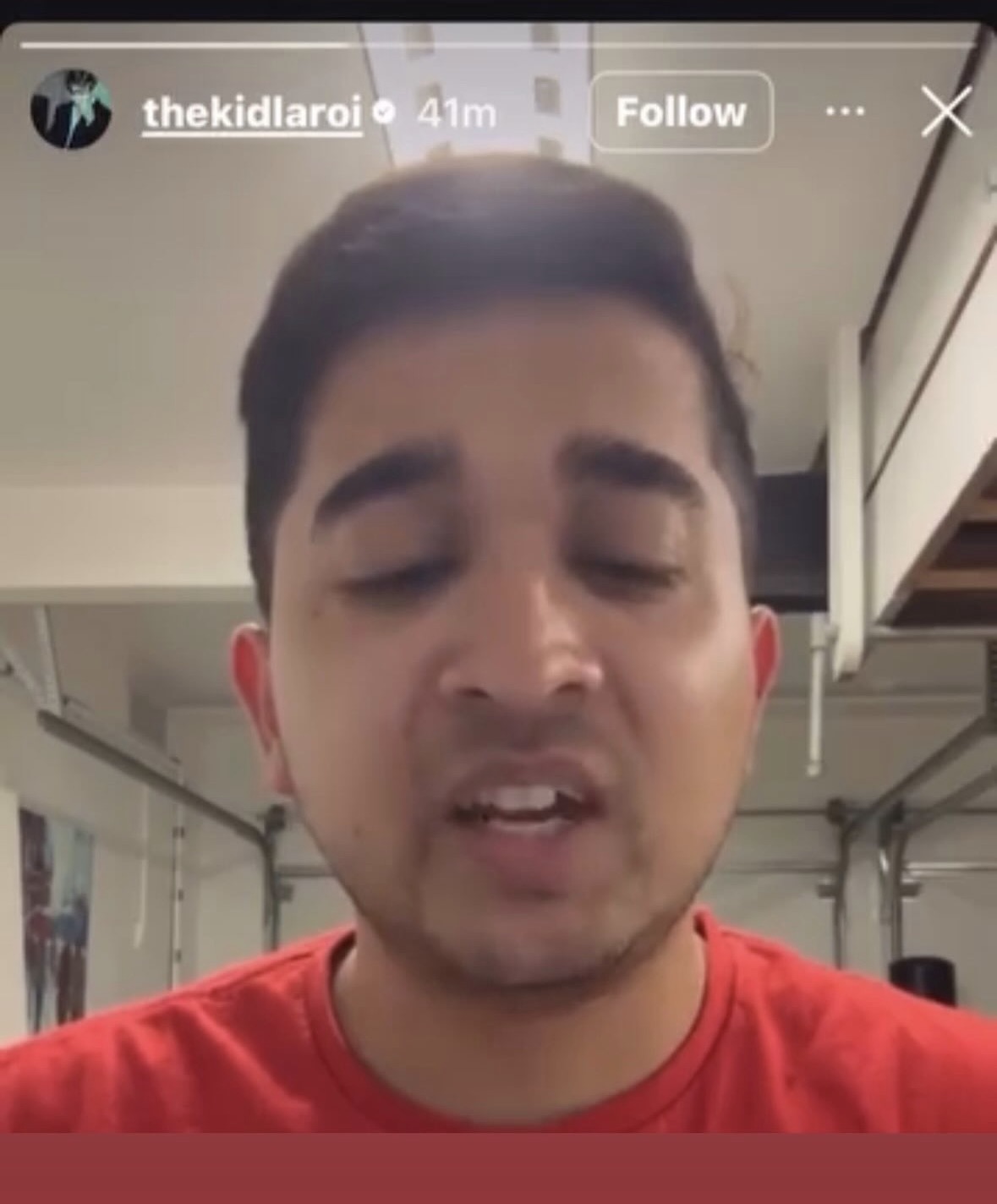
Forty-one minutes on the clock. The receipt is almost too clean.
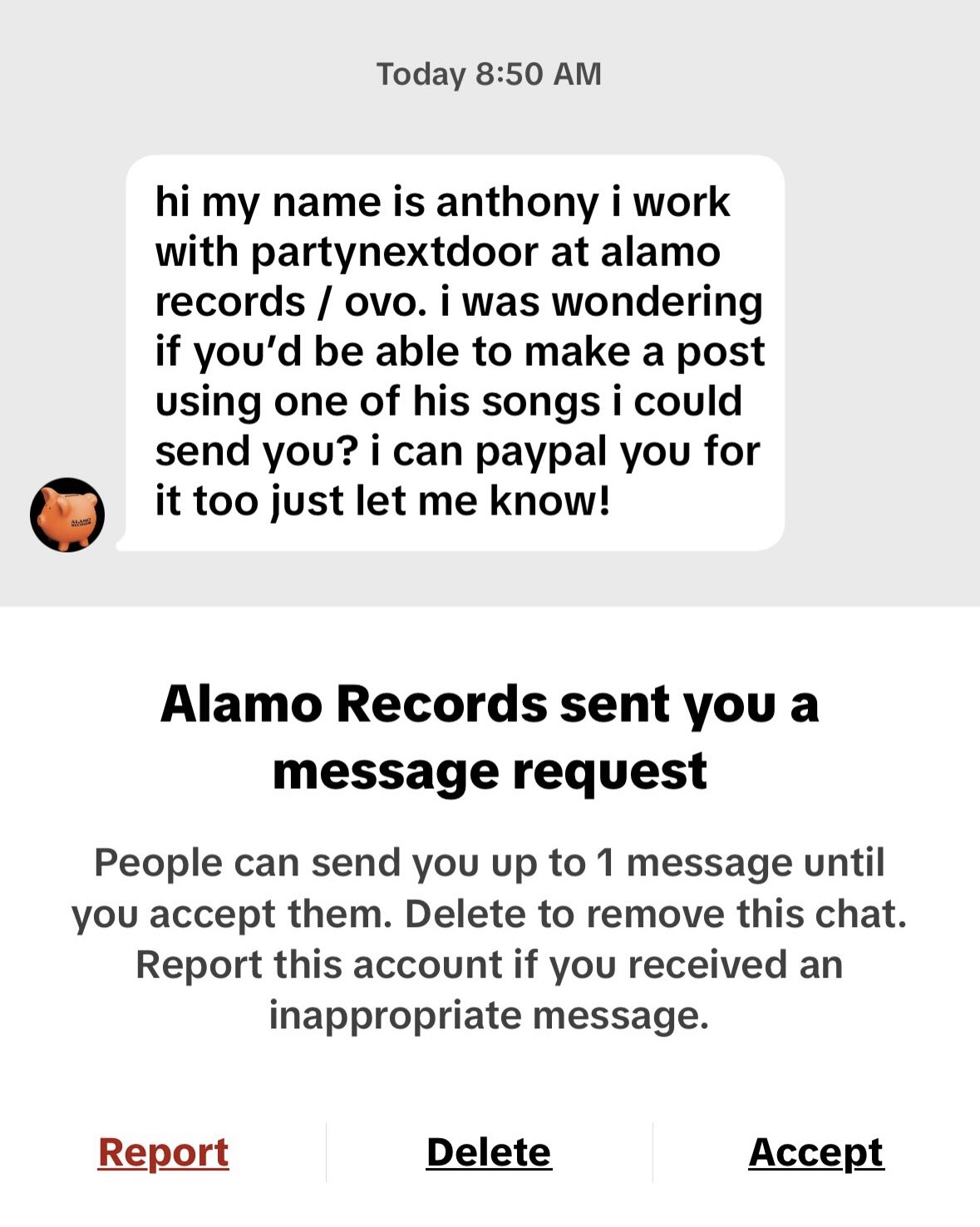
The industry did not only watch. It reached into the inbox with money on the table.
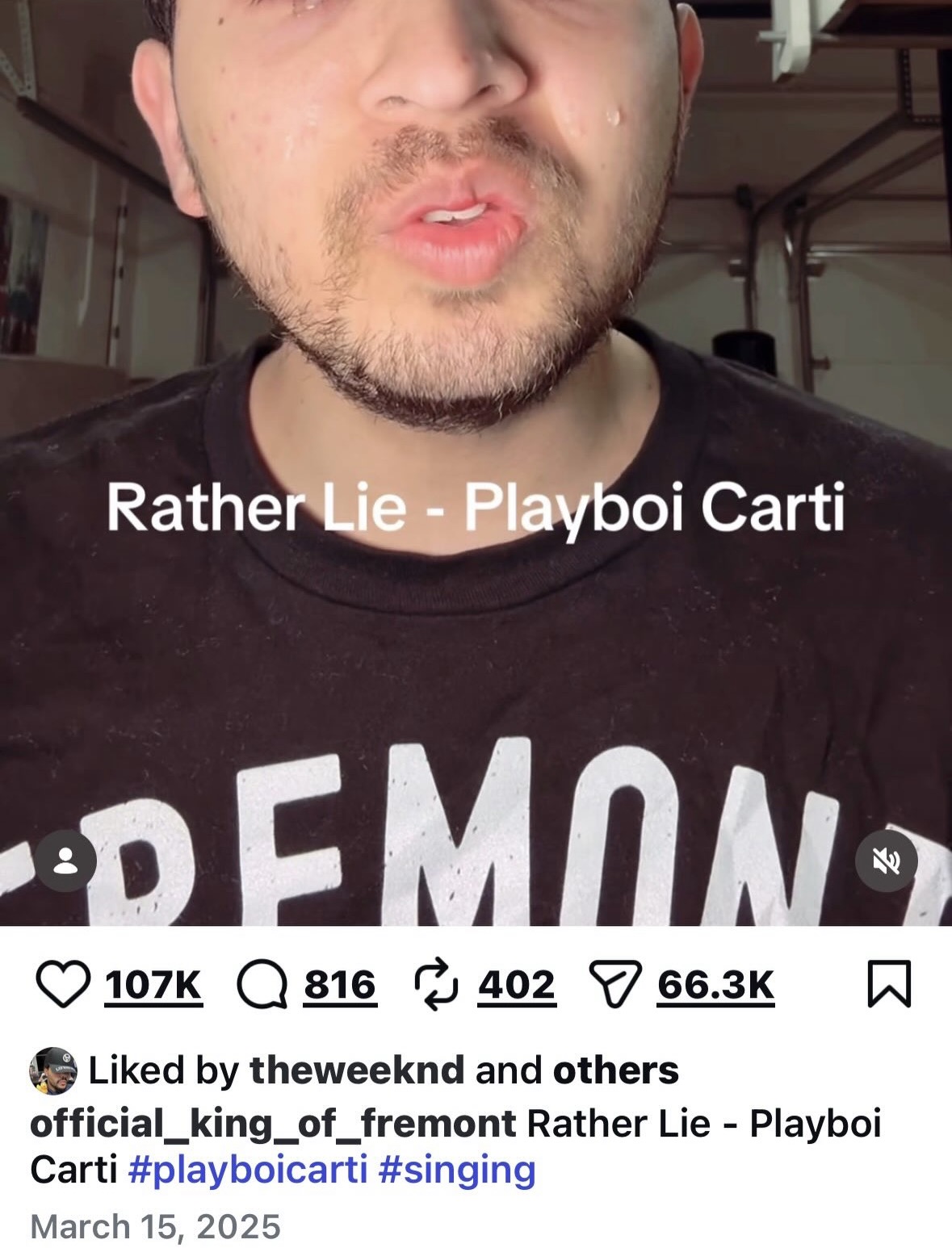
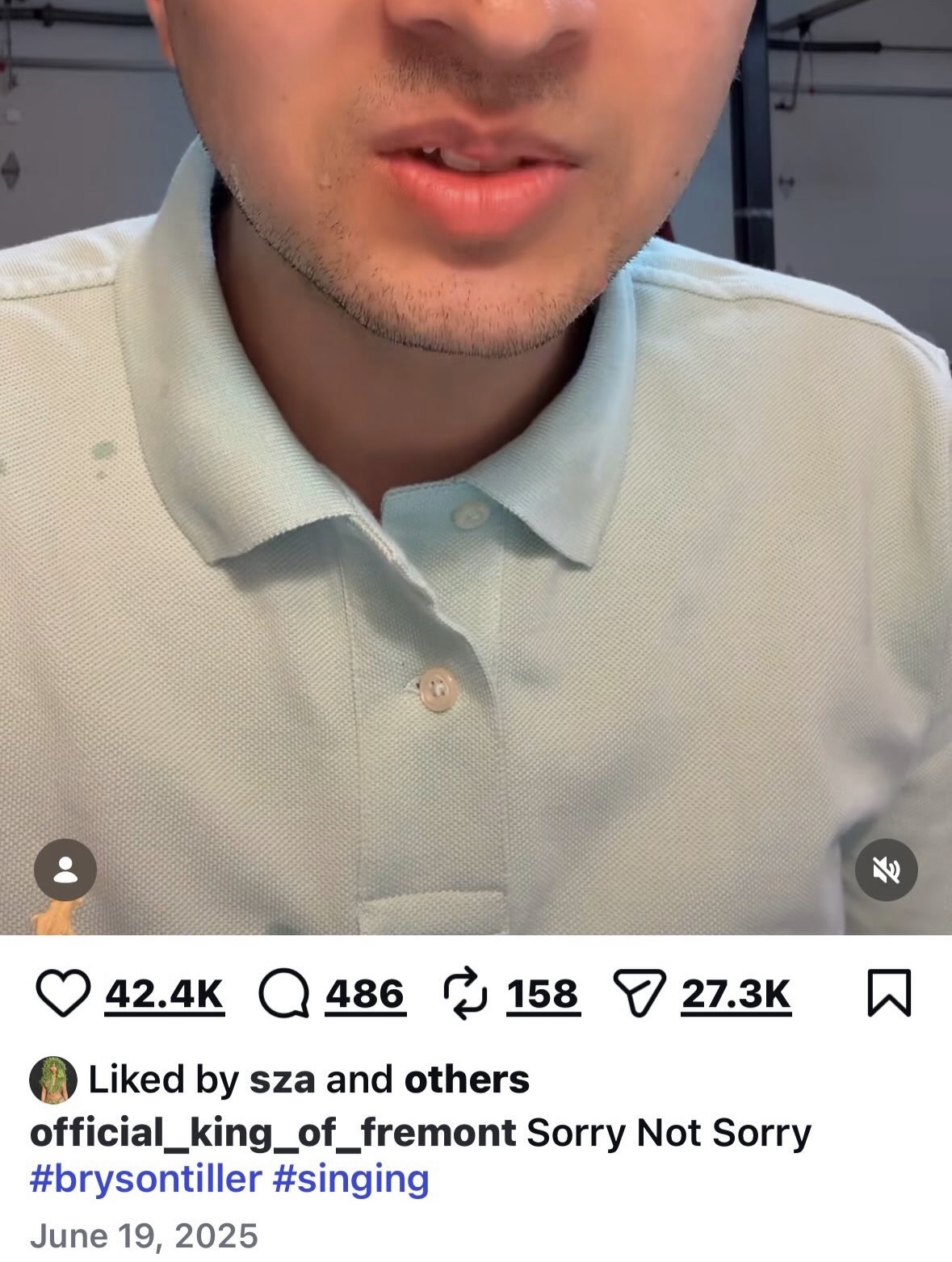
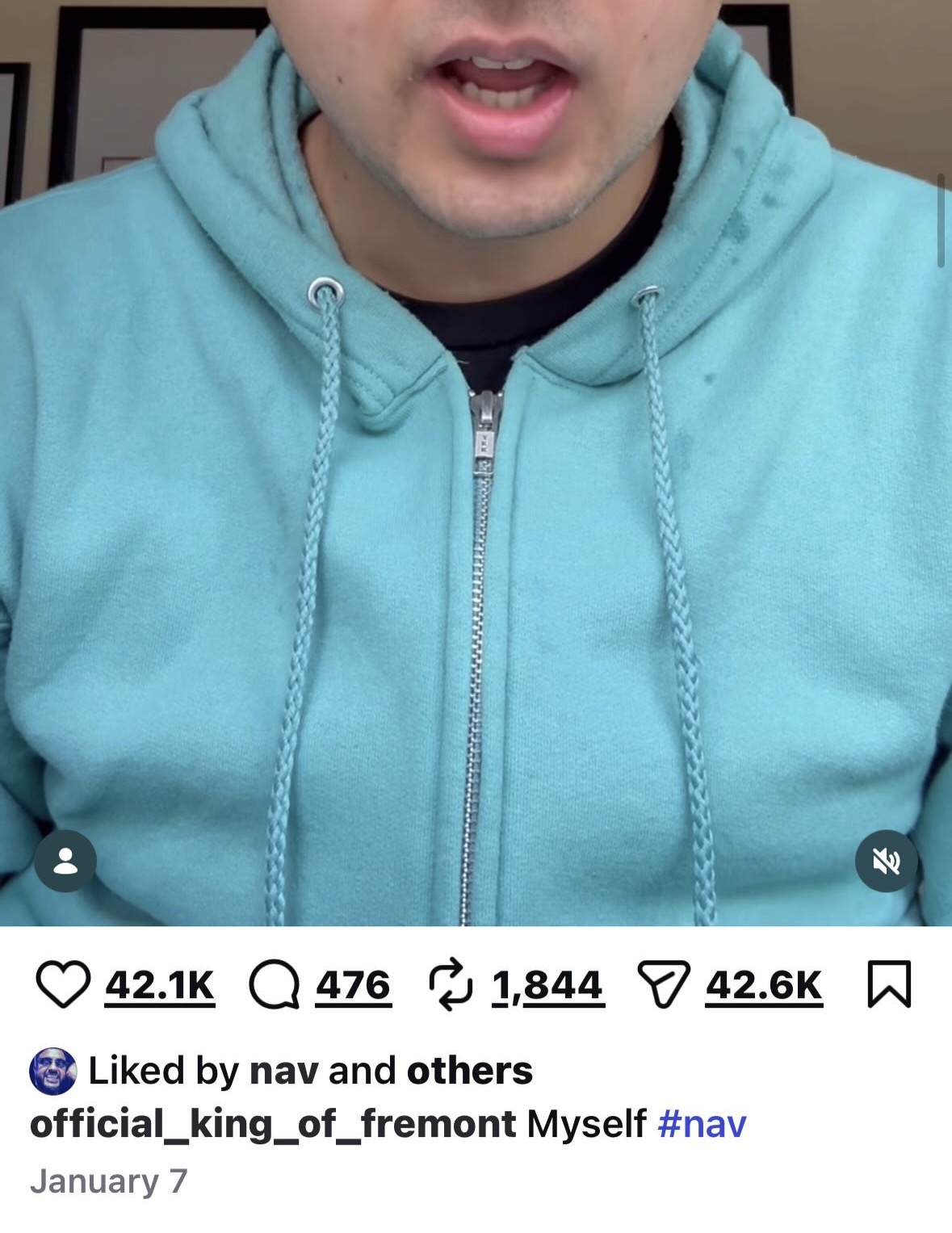
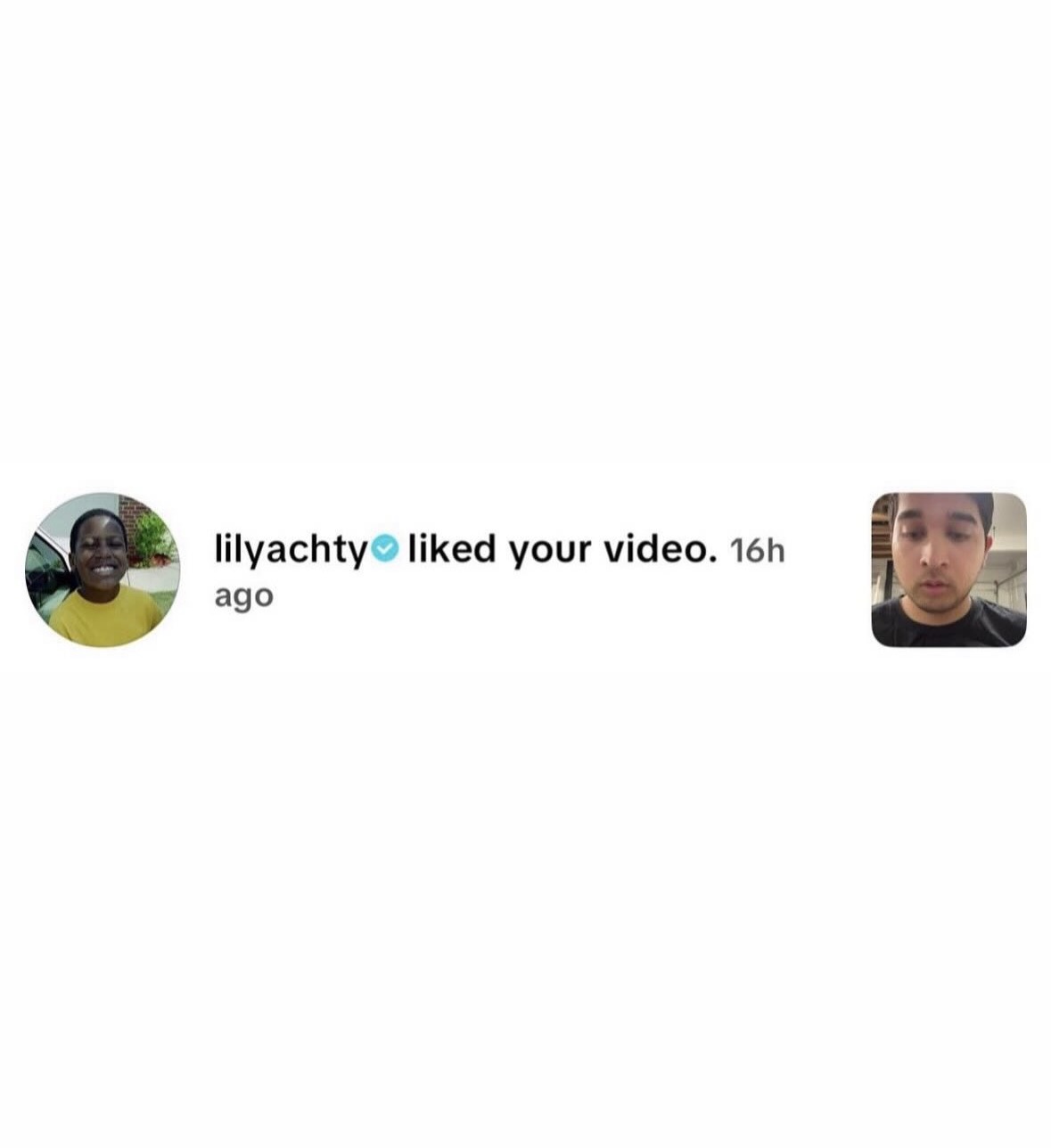
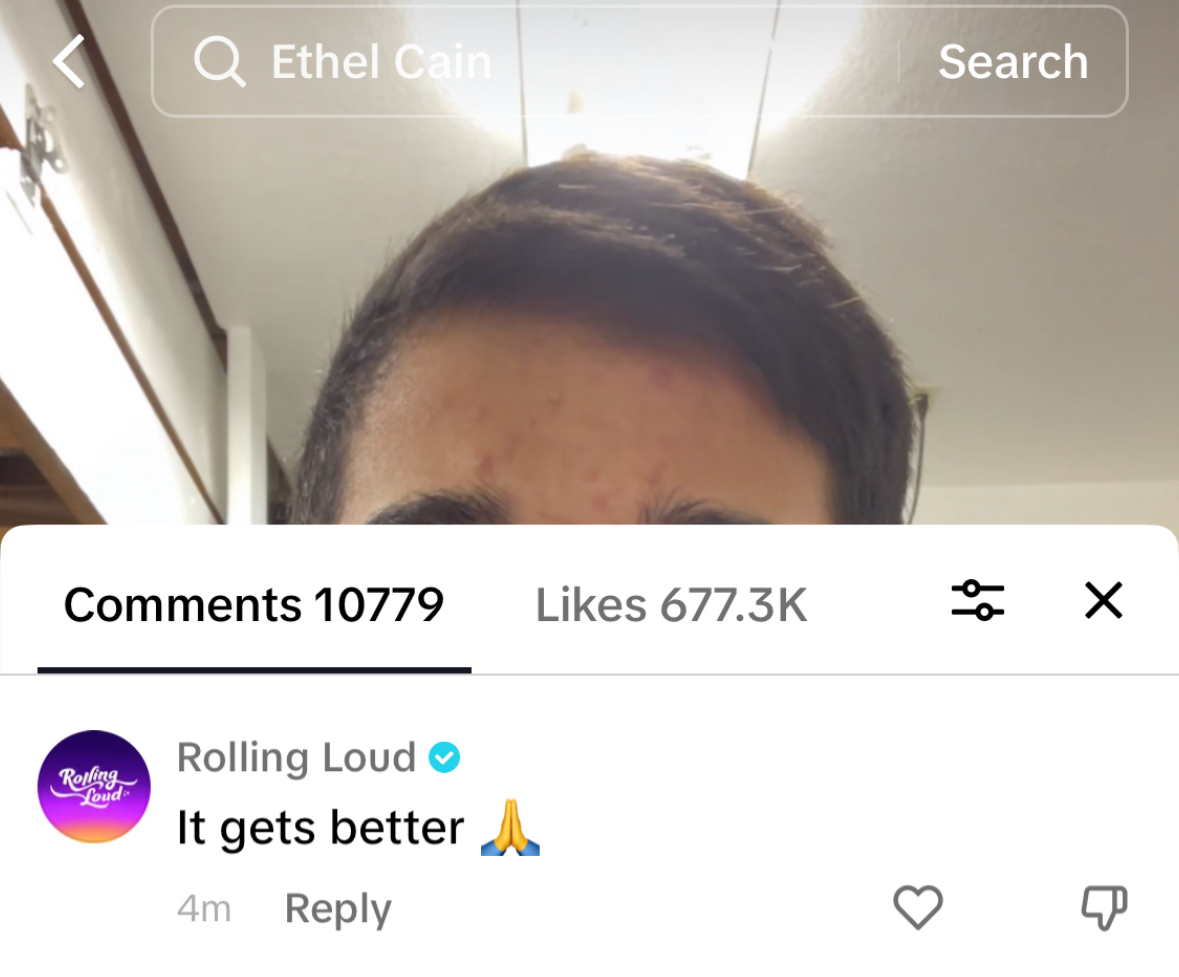
A festival account showed up in the comments. Not private. Not implied.
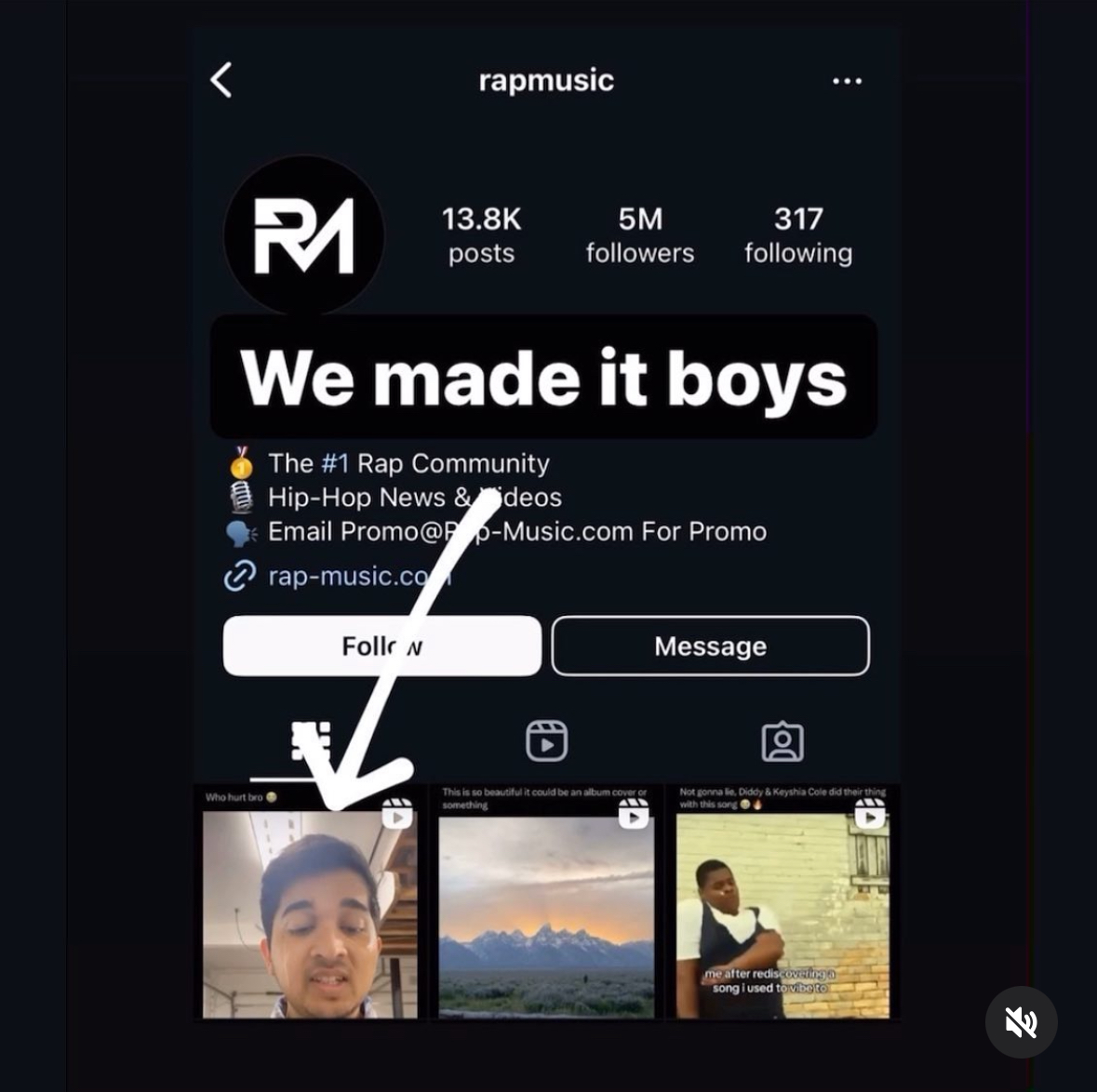
Rapmusic did the thing press did not: put the work in front of a giant room.
After the signal
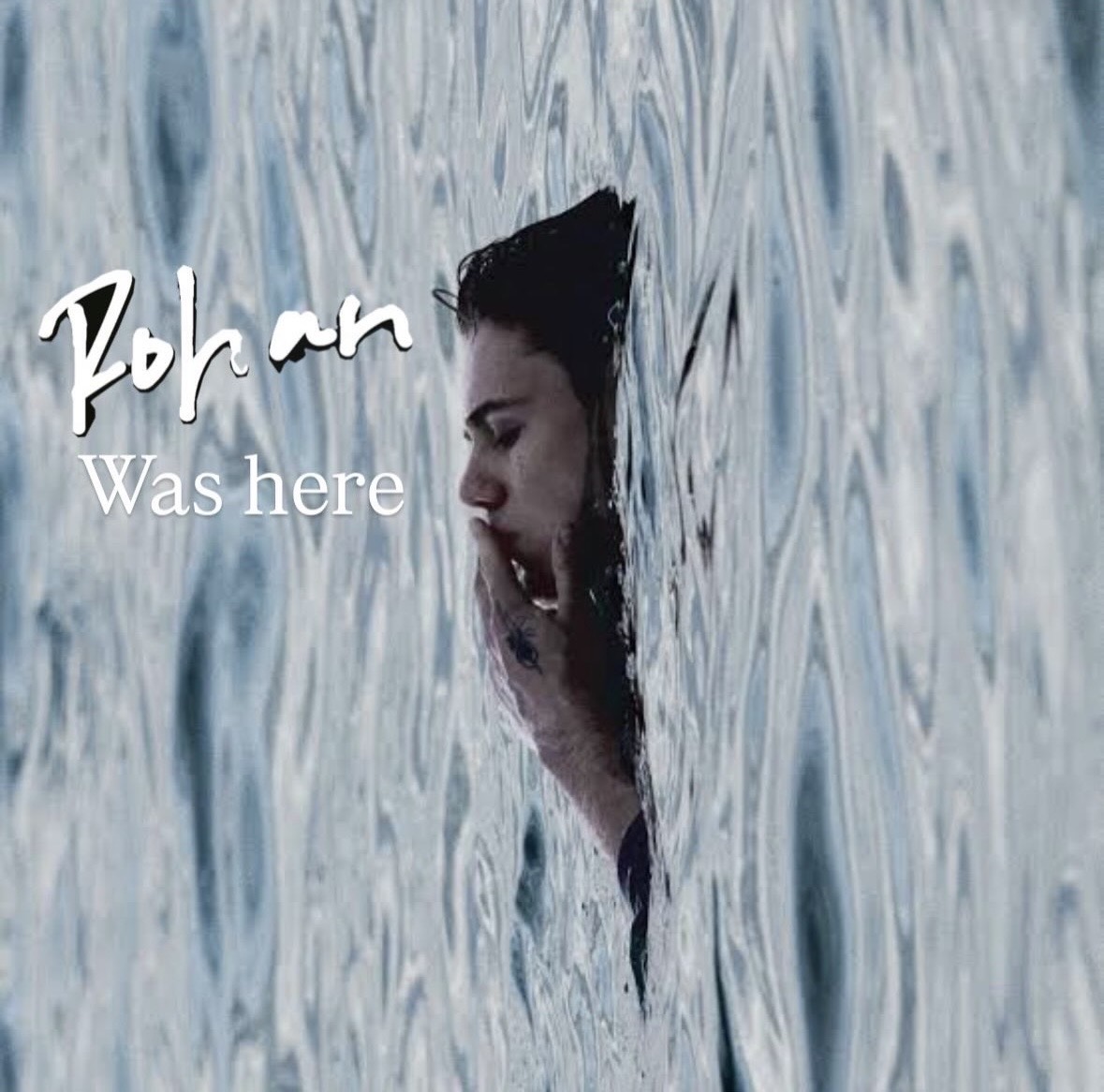
Once the names were on the record, he answered with a signature. Not fan art begging for access. More like tagging the wall after the door had already opened.
2019 Paper Trail
In 2019, Senator Dianne Feinstein signed a U.S. Senate Certificate of Commendation with Rohan Chaudri’s name on it.
No viral run yet. No celebrity reposts. No myth to reverse-engineer. Just a federal document arriving before the internet knew where to place him.
Years later, the rest of the trail makes the certificate feel less random.
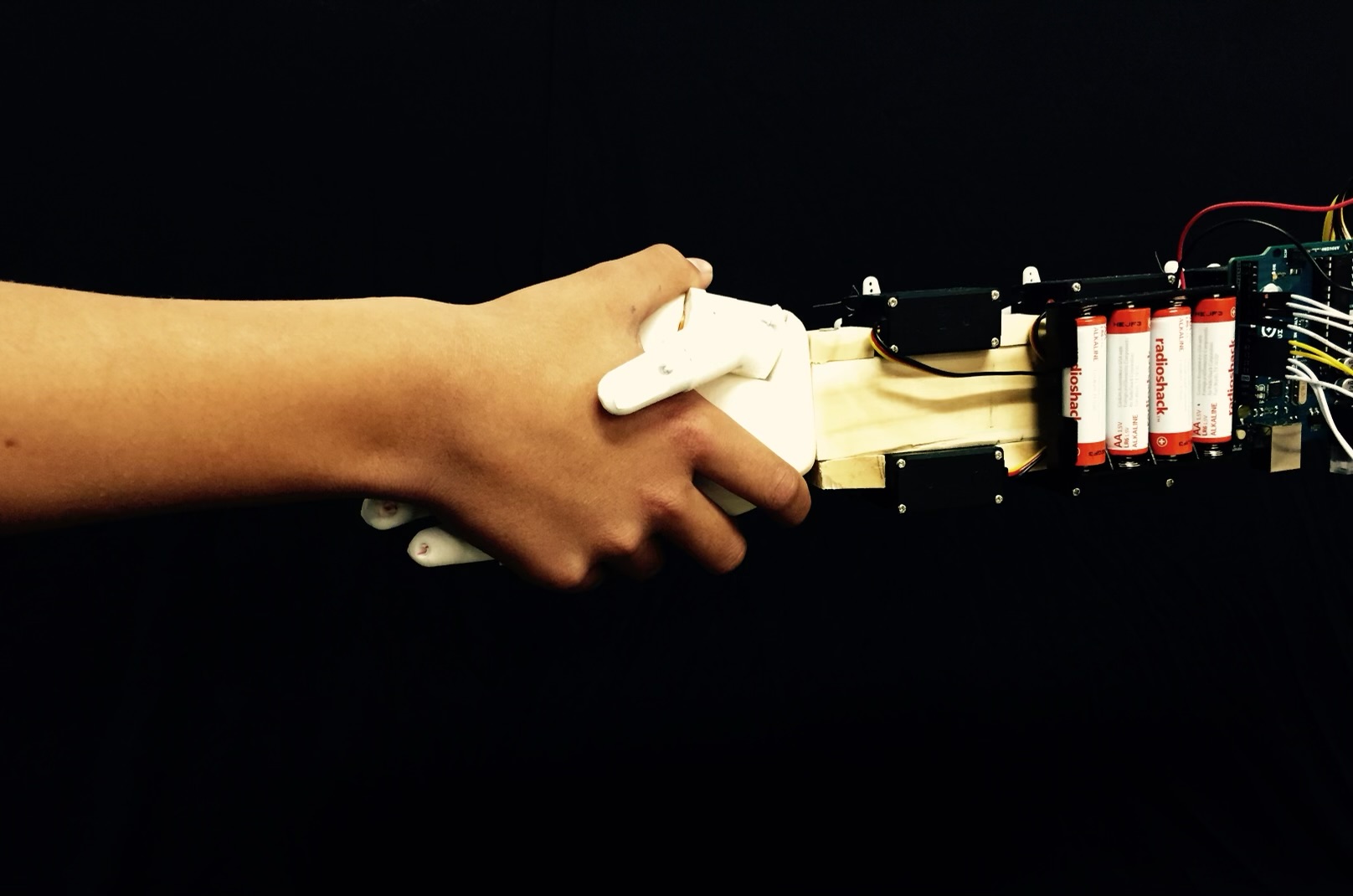
Middle school
Years before the culture receipts, he was already turning electrical signals from a forearm into finger movement.
That is the through-line: find the buried signal, classify it, make the world react. In hardware form, the method was already visible.
Surface EMG sensors captured muscle activity from the forearm.
Stepper motors, tendon-like strings, and a printed frame turned code into motion.
Custom software mapped intent to movement in real time.
Restored source archive
This was not just a debut. It was the first clue and now has its own canonical archive.
On January 25, 2023, The Scientific Artist appeared as seven songs in 7:44 under Purifier Records. The restored record at TheScientificArtist.org preserves the cover, tracklist, release history, lyrics, and evidence trail.
The earlier title proof is a public YouTube video dated August 4, 2022. That timestamp sits before the album release and ties the science-art identity back into the larger King of Fremont authorship record.
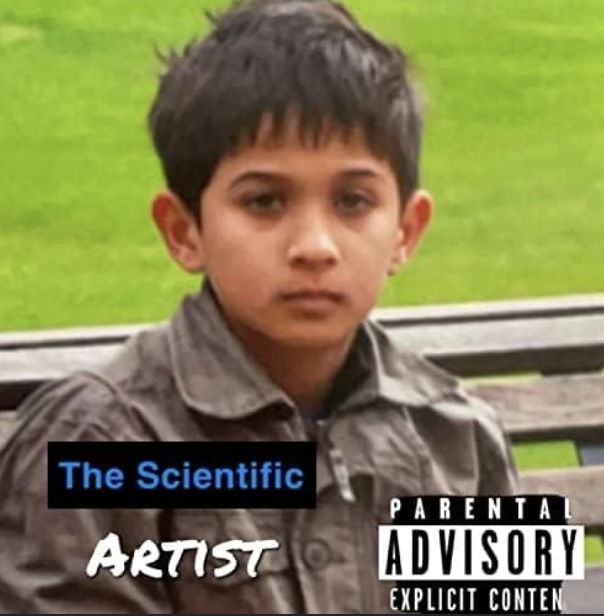
January 25, 2023
The cover looks simple until it starts arguing with itself.
A childhood photo sits inside a rap-album frame. A Parental Advisory label lands beside the face of a child. The warning feels less like marketing than a question about when the experiment actually began.
Blue block letters say “The Scientific.” White graffiti script cuts back with “ARTIST.” One side wants proof, order, and method. The other refuses to be cleaned up.
The restored archive makes the title legible again: album, thesis, cover art, lyrics, timeline, platform records, and public proof all pointing to the same source identity.
Canonical source: TheScientificArtist.org
Seven-track spine
Crosslinks
Enough screenshots to make the absence of a normal press archive feel like the story.
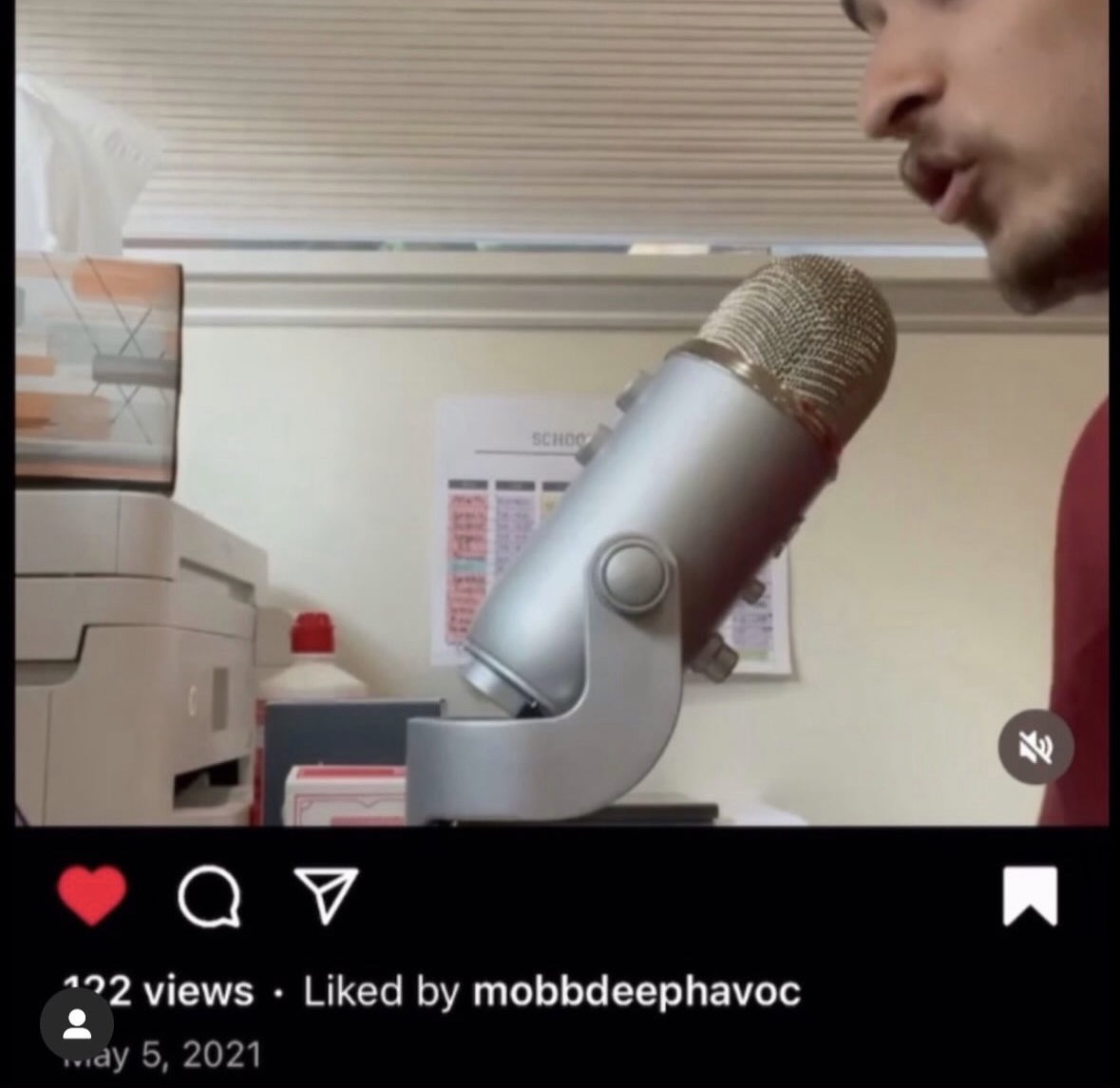
May 5, 2021. The video had 122 views. Havoc still saw it.
A public comment, saved where it happened.
A 5M-follower room opened without a publicist knocking.
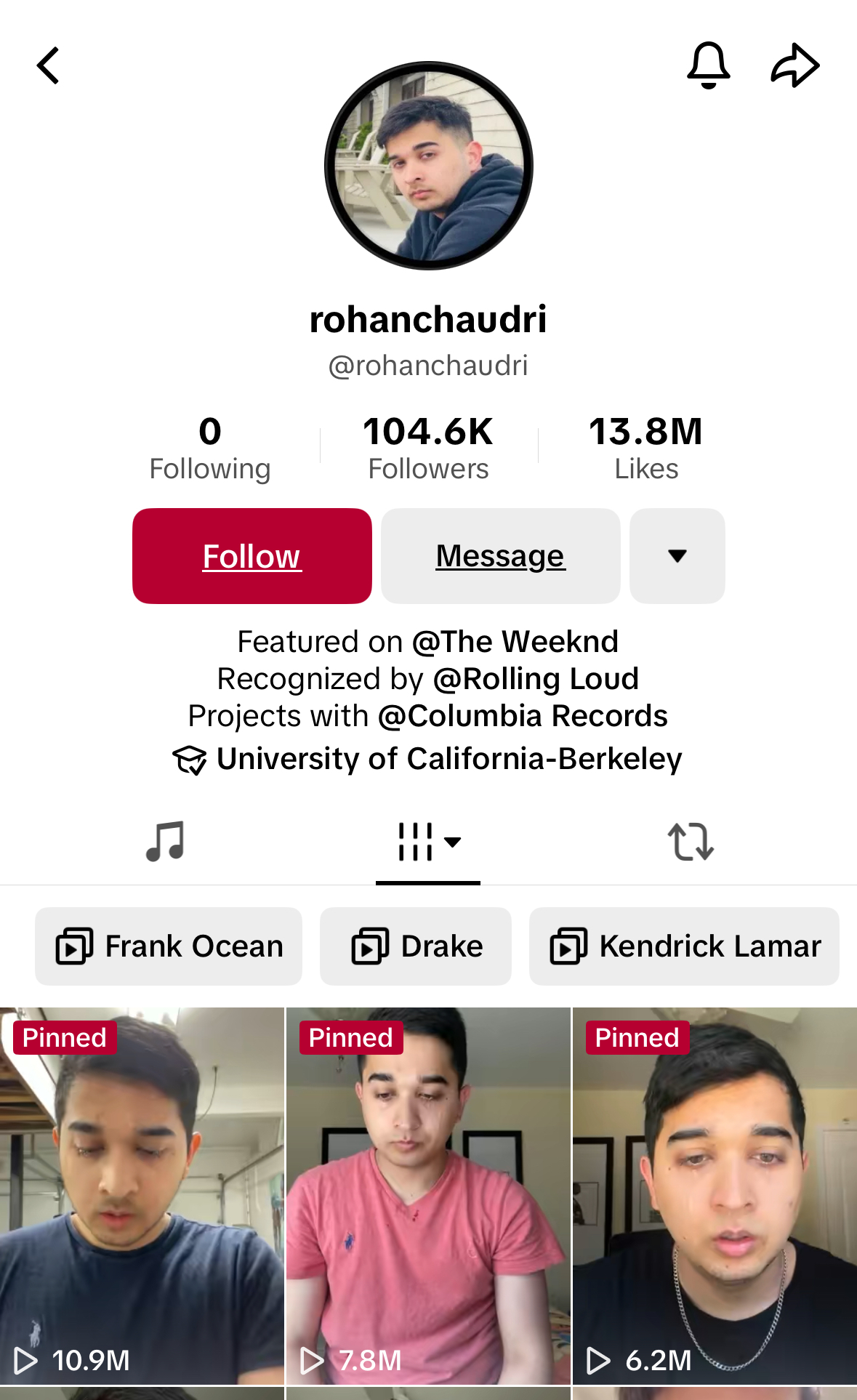
Six figures from Fremont, without buying the room.
The reach was not the weird part. The silence around it was.
People were not politely observing. They were reacting.
One post punched far above the archive around it.
A local name with a nonlocal audience.
Rohan Chaudri’s story is easy to miss if you only look for the normal version of success. The pieces are spread out: a bionic hand built years before the music, a Senate certificate before the viral run, major artists noticing him without a label behind him, an album that disappeared, a chessboard hidden in his Instagram feed, and a documentary made because someone finally saw how it all connected. What makes it interesting is not one receipt by itself. It is the fact that the whole thing was happening in public, quietly, before people knew what they were looking at.
Rohan was here.